What Is Supply Chain Integration and Why Does It Matter

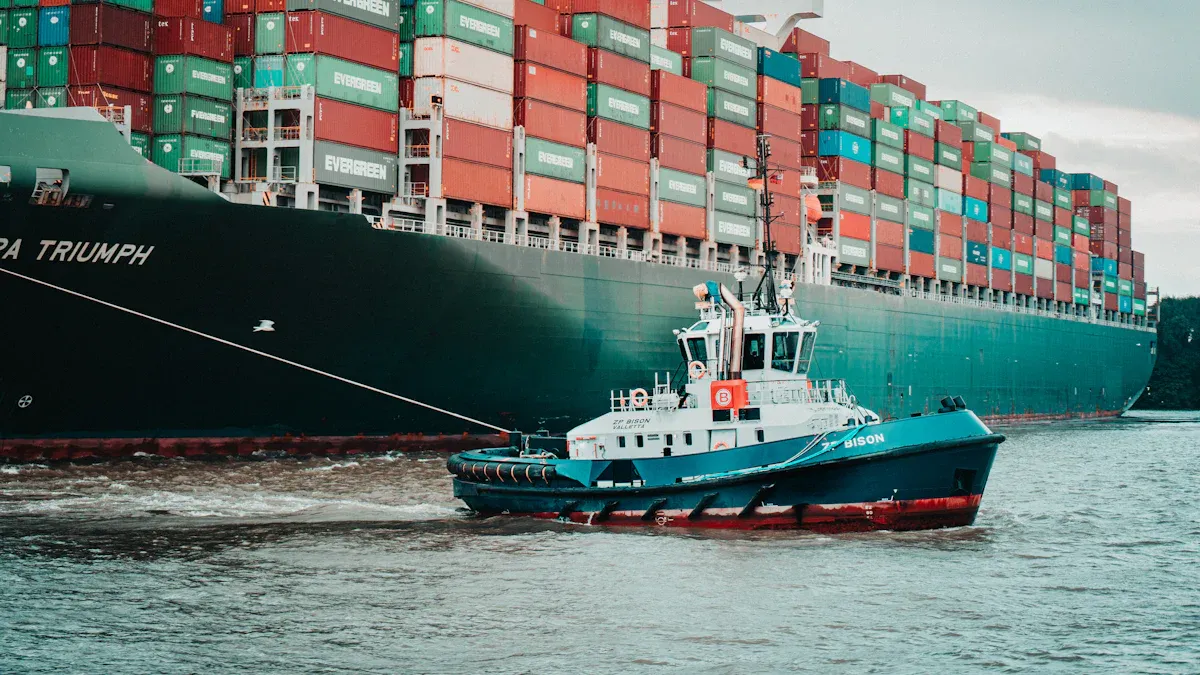
Supply chain integration means you link parts of your business. This helps information, products, and money move easily. It lets you work better with suppliers and customers. Using supply chain integration can make your business much better.
You may see your business do better.
Focusing on customers makes customer integration stronger.
New technology can help these connections work better.
Fishgoo shows how supply chain integration works in real life. You can buy products from China and track your order. You get everything delivered without trouble. This easy service comes from strong supply chain connections.
Key Takeaways
Supply chain integration links every part of a business. It helps people share information, products, and money more easily.
Two-way supply chain integration lets businesses react fast to changes. It also helps them work better with their partners.
Technology is very important in supply chain integration. It gives real-time data and helps everyone see what is happening.
Good supply chain integration saves money and fills orders faster. It also makes customers happier.
Businesses should often check their supply chain steps. This helps them find ways to get better and use new ideas.
Understanding Supply Chain Integration
What Is Supply Chain Integration
Supply chain integration means you link all the steps in your business. This starts with getting materials and ends with giving products to customers. You make sure information, products, and money move easily between each part. This helps you work better with suppliers, manufacturers, and customers. When you use supply chain integration, you can see what is happening at every step. You can react faster to changes and fix problems before they get big.
Supply chain integration is a plan for businesses. It helps match up and connect all the steps, systems, and people needed to make and deliver products and services. It lets information and resources move smoothly from suppliers to manufacturers, then to distributors, stores, and finally to the customer.
You use supply chain integration for many reasons:
Work more efficiently
See everything that is happening
React fast to changes
Spend less money
Make customers happy
When you connect your supply chain, you make smarter choices and keep your business running well.
Two-Way Supply Chain Integration
Two-way supply chain integration goes even further. You do not just send information one way. You share data and feedback both up and down the supply chain. This means you and your partners can see what is happening right now. You can change things quickly if something is different.
Here is a table that shows how two-way supply chain integration is different from traditional models:
Aspect | Two-Way Supply Chain Integration | Traditional Supply Chain Models |
|---|---|---|
Visibility | You can see the whole process from start to finish | You only see some parts of the process |
Integration | All steps like buying, making, and delivering are connected | Each step is separate and not well connected |
Responsiveness | You use real-time data to make quick changes | Changes are slow and done by hand |
With two-way supply chain integration, you and your partners act like a team. You share information, fix problems, and make sure products get to customers on time. This way, you can plan better, waste less, and make customers happier.
Key Components
You need to know the main parts of supply chain integration. Each part helps make your supply chain strong and dependable.
Component | Contribution to Supply Chain Performance |
|---|---|
Procurement | Picking the right suppliers, making deals, and working with them helps you get what you need faster. |
Manufacturing | Good production, checking quality, and working with other parts makes sure you finish products on time and with good quality. |
Planning the best routes and keeping track of goods helps you move products quickly and safely. | |
Warehouse and Storage | Using smart inventory tools and technology helps you fill orders fast and keep track of your stock. |
You also need to handle three main flows in your supply chain:
Flow Type | Description |
|---|---|
Information | You manage this with business steps like customer orders and restocking inventory. |
Material | This flow connects with information when you fill orders and match what you make to what is needed. |
Financial | This flow works with the other two in accounting, showing how supply chain choices affect your money. |
These flows work together. For example, when you get an order, information goes to your warehouse. Materials move to fill the order. Money comes in when you get paid. If you handle these parts of supply chain integration well, you can save money, avoid delays, and keep your customers satisfied.
Supply Chain Management means many people work together to plan, build, and run smooth processes that give customers what they need. Bringing together people and technology, and managing materials, information, and money in a coordinated way, helps supply chain integration succeed.
When you focus on these important parts, you build a supply chain that is strong, flexible, and ready for anything.
Benefits of Supply Chain Integration
Efficiency and Cost Savings
Supply chain integration helps your business every day. When you connect each part, you remove extra steps. This makes your business run smoother. You work faster and save money. You do not need to use the same system twice. You also do not waste time on manual tasks. Sharing real-time data helps you keep the right amount of inventory. You avoid having too much or too little stock.
Here are some ways supply chain integration helps you save money and work better:
Gets rid of duplicate systems, so costs go down.
Shares real-time data, so you keep the right inventory.
Cuts labor costs by making work easier.
Speeds up order fulfillment, so things get done faster.
Stops overstock or running out by linking logistics and inventory.
Keeps costs low while making customers happy.
Makes logistics easier with strong inventory control.
When you use supply chain integration, you become more flexible. You can react fast to changes in demand or supply. This helps you fix problems quickly and keep your business strong.
Customer Satisfaction
Supply chain integration does more than save money. It helps you make your customers happy. When you match marketing and supply chain, you focus on what customers want. You deliver products faster and make fewer mistakes. This means better customer service and better results.
Studies show supply chain integration helps you:
Make customers happier by matching products to what they want.
Share information, so you serve customers better.
Make fewer mistakes in orders and inventory.
Respond fast to customer needs with real-time data.
Give better service by making sure products arrive on time.
You fill orders faster and work more flexibly. You handle customer requests better. When you use supply chain integration, you build trust and loyalty with your customers.
Real-World Example: Fishgoo
Fishgoo shows how supply chain integration works in real life. The company connects buyers with products from China. Fishgoo handles everything from order to delivery. They use real-time inventory and flexible shipping. You can track your order and get updates. You can also combine orders to save money on shipping.
Here is a table showing some of the improvements Fishgoo achieved through supply chain integration:
Metric | Improvement/Impact |
|---|---|
Air shipping time | Decreased by 54% |
Inventory accuracy | Increased from 98% to 99.52% |
Customer complaints | 11% reduction |
Order lead time | Shorter and more reliable |
Annual maintenance costs | 90% lower |
Fishgoo also saw these benefits:
Real-time inventory helps with planning.
Orders get filled on time, so customers are happy.
Safe payments and regular updates for orders.
Combined orders save money on shipping.
You can see how supply chain integration helps save money, work faster, and serve customers better. Fishgoo’s story shows supply chain integration brings real results. You can get better performance, happier customers, and more flexibility in your business.
Challenges and Solutions
Common Barriers
You might run into problems when you try supply chain integration. These problems can slow you down and hurt your results. Here are some of the most common problems:
Not knowing about or using new technology
Integration costs a lot of money
Teams do not share information
Demand distortion, also called the bullwhip effect
Not including everyone in decisions
Systems do not work well together
Partners do not trust each other
Old systems and teams that do not talk make things worse. Silos keep teams apart and stop good communication. Legacy systems cause gaps in information and make teamwork hard. The table below shows how these problems hurt your supply chain:
Effect | Description |
|---|---|
Poor Communication | Silos slow things down and cause more mistakes. |
Increased Costs | Doing the same work twice and extra inventory cost more money. |
Customer Impact | Slow orders and mistakes can hurt your reputation and trust. |
Overcoming Integration Challenges
You can fix these problems with the right steps. Start by making teams with people from different departments. This helps everyone talk and work together better. Big companies like Unilever and Toyota use this to do better and waste less.
Here are some good ways to help you win:
Strategy | Description |
|---|---|
Proactive Risk Management and Scenario Planning | Plan for problems before they happen to keep your supply chain strong. |
Inventory Optimization and Smart Warehousing | Use AI to manage stock levels and improve service. |
Agile Transportation and Route Planning | Change delivery routes quickly to save time and money. |
Regulatory Intelligence and Compliance | Keep up with rules to avoid delays and keep things moving. |
Cyber Resilience Strategy | Protect your systems from cyber threats to keep things running. |
You should also help everyone share information and trust each other. When people share data, you find problems early and fix them fast. This makes things work better and cuts down on mistakes. By using these steps, you can get good supply chain integration, even in hard projects.
Tip: Cross-functional skills help you find and remove extra steps, make work easier, and improve how things run.
When you focus on teamwork, technology, and clear talking, you build a supply chain that can handle any problem.
Technology and Best Practices

Role of Technology
You can use technology to make supply chain integration better. Technology helps you see what is happening at every step. Digital tools let you share real-time data with partners. This helps everyone make quick choices and track orders as they move. You can find problems early and fix them before they get worse. Technology also helps you handle lots of data, so you avoid mistakes and keep things running smoothly.
Technology fills in gaps and fixes data problems in your supply chain.
Real-time data sharing helps you react fast to new orders or changes.
You can watch your supply chain all the time and get alerts if something is wrong.
Some digital tools help you see more and do better. Here is a table with some important tools:
Tool | Description |
|---|---|
RFID | Sends digital information about products using scannable tags. |
Telematics | Collects raw data from devices and tags for better visibility. |
RTTVP | Gathers and shows all telematics data in one place for end-to-end visibility. |
When you use these tools, you can see your supply chain clearly. You can track goods, check inventory, and make sure everything works well. This means better results and fewer surprises.
Best Practices for Integration
You can follow best practices to get the most from supply chain integration. Automation is important. It cuts down on mistakes and keeps your data up to date. When you automate data transfers, you manage inventory better and work faster. You also save money and make fewer errors.
Here are some best practices to help you do well:
Use transportation management systems and ERP software for better visibility.
Connect different systems so you can see everything from start to finish.
Make hard tasks, like order consolidation, easier.
Make sure your plan fits your industry’s needs.
You should also share information with your partners. This helps everyone plan better and work together. The table below shows how sharing information helps your supply chain:
Benefit | Explanation |
|---|---|
Enhanced Demand Forecasting | You can guess what customers want and plan ahead. |
Optimized Inventory Management | You keep the right amount of stock, so you waste less and spend less. |
Dealer-OEM Collaboration | You and your partners make better choices together. |
Heightened Customer Satisfaction | You respond faster and keep customers happy, which makes your business better. |
When you follow these best practices, you build a supply chain that is strong and works well. You can handle changes, keep costs low, and get great results.
Supply chain integration helps your business work better. It also helps you keep up when things change. You can see what is happening in your business. This lets you help customers faster. Companies that use supply chain integration save money. They also make customers happier.
Area | Benefit |
|---|---|
You answer customer requests more quickly | |
Supplier Integration | You spend less and get more new ideas |
Customer Integration | Customers stay loyal and give feedback |
You should look at how your business works now. Find places where things do not work well. Then, make a plan to fix them. You can check out platforms like Fishgoo for help. These can show you ways to improve your supply chain.
FAQ
What is supply chain integration?
Supply chain integration means you link all parts of your business together. You share information, products, and money with suppliers, manufacturers, and customers. This helps you work faster and give better service to customers.
How does supply chain integration help you save money?
You cut out extra steps and stop mistakes from happening. You use real-time data to keep the right amount of inventory. You spend less money on workers and shipping. Your business runs smoother and more efficiently.
Can small businesses use supply chain integration?
Yes, even small businesses can use supply chain integration. You start by sharing information with suppliers and customers. You use simple technology to track orders and inventory.
What role does technology play in supply chain integration?
Technology lets you see what is happening at every step. You use digital tools to share data, track shipments, and manage inventory. This makes your supply chain faster and more dependable.
See Also
Understanding International Freight Forwarding And Its Importance
The Importance Of International Warehouse Services For Success
An Overview Of Warehouse Services And Their Functionality
Key Global Shipping Services Every Beginner Should Know
Comprehensive Analysis Of JD Purchasing And Forwarding Services