The Synergy Effect: Combining Supply Chain and Channels for a Trade Advantage

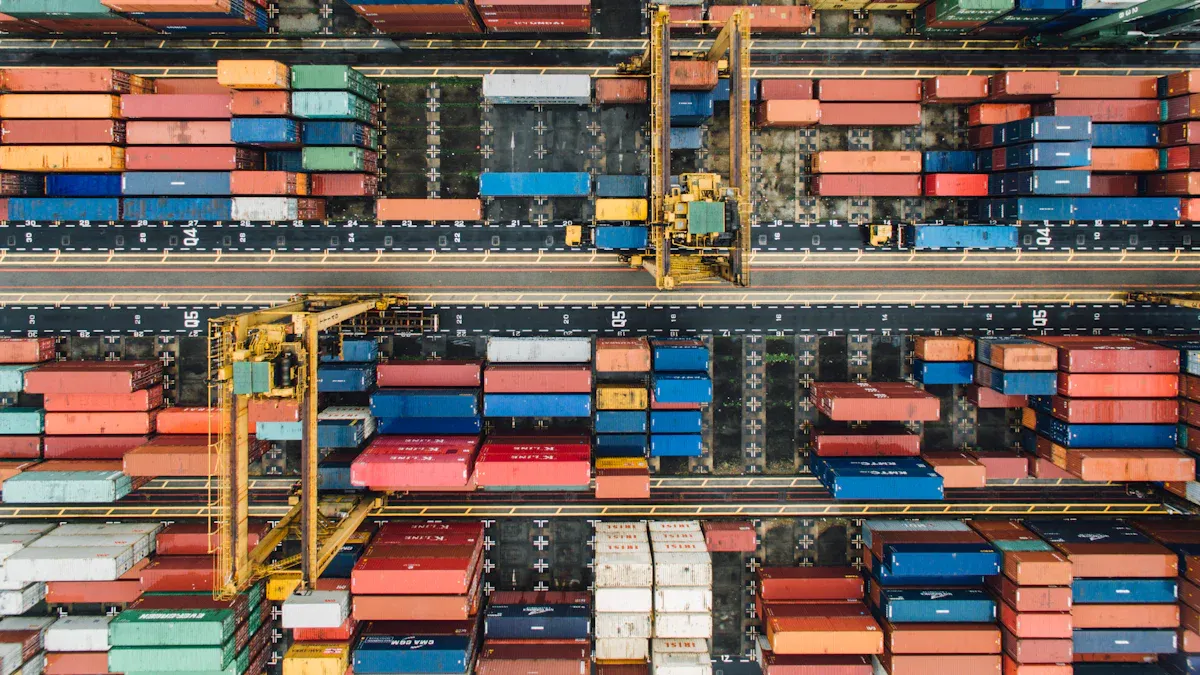
When you combine supply chain management and channel strategies, you create a synergy effect that helps your business stand out. This approach enhances operational efficiency, boosts online sales, and increases the value provided to each customer.
You spend less money and have products ready more often.
Fast delivery and consistent quality lead to happier customers.
Teams leverage information and tools to anticipate customer needs and tailor offerings accordingly.
Key Aspect | Description |
|---|---|
Supplier Integration | Builds trust and shared goals for better performance and value. |
Flexibility | Adaptive contracts help you handle changes in the market quickly. |
Consider how your business could improve by integrating supply chain and channel strategies more closely to harness the synergy effect.
Key Takeaways
When supply chain management and channel strategies work together, they create a synergy effect. This makes things run smoother and helps customers feel happier. - Working closely with suppliers makes service faster. It also lowers costs and helps manage inventory better. - Using technology and sharing data helps businesses make smart choices. It also lets them react quickly when the market changes. - Having good relationships with partners builds trust. It also helps everyone work together, which is important for solving problems in global trade. - Talking often and working as a team helps solve problems faster. It also gives more value to customers.
Defining Supply Chain and Channels
What Is a Supply Chain?
You use supply chains every day, even if you do not notice. Supply chain management is all the steps to get a product from raw materials to you. This includes planning, finding materials, making things, storing, and delivering goods. The table below shows how each part works:
Key Component | Function |
|---|---|
Materials/supply | Planning, sourcing, and procurement of raw materials |
Production/manufacturing | Creation of goods from the raw materials |
Distribution | Supplying and delivering goods to businesses and consumers |
Consumption | Consumers receiving and using the final products/goods |
Supply chain management is more than just moving products. It also uses demand forecasting to guess what customers want and when. Demand forecasting helps you avoid running out of products or having too many. This makes your business work better and keeps customers satisfied.
Tip: Good supply chain management lets you react fast to changes in demand and helps you save money.
What Are Trade Channels?
Trade channels are the ways products travel from the producer to you. These channels help move goods between countries and into new places. There are different types of trade channels in global trade:
Type of Trade Channel | Description |
|---|---|
Export Trade | The exchange of goods and services across international borders. |
Import Trade | The purchase of goods or services from another country. |
Entrepot Trade | Importing products to later export them to another country. |
You use trade channels when you buy things online from sellers around the world. These channels let you get many kinds of products, no matter where you live.
Note: Supply chains are about how products are made and delivered. Trade channels are about how products get to you in the market.
The Synergy Effect in Trade

How Synergy Effect Works
When supply chain management and trade channels work together, they help each other. This teamwork makes your business stronger than if they worked alone. You can see this when products move from factories to customers. If both parts work as one, you can react fast to changes in what people want. You can also deliver things quicker and keep customers happy.
Using synergistic supply chains gives you more than just speed. You get better control over your inventory. You can stop running out of stock or having too much. This teamwork saves money and makes your service better.
Here is what happens when the synergy effect works:
You find problems early and fix them before they get big.
You use real-time data to make smart decisions.
You keep logistics smooth and stop delays.
Why Integration Matters
You need to connect your supply chain and channels to stay ahead in trade. Experts say a strong supply chain strategy helps you make and deliver products well. It also gives you a clear plan for new products and ways to work.
When you integrate, you get many good things:
You make customers happier with faster service and more products.
You use what customers say to make your supply chain better.
You save money by cutting waste and extra costs.
You manage inventory better with real-time updates.
You lower logistics costs by working together on transport.
A well-integrated system helps you make choices faster and keeps your business running well, even when things get hard. You build strength and keep your work efficient. When you focus on synergy, your business can do well for a long time.
Supply Chain Synergy Benefits
Cost and Efficiency Gains
You get real benefits when you connect with trading partners. This synergy effect helps you save money and work better. When you team up, you share info and resources. This teamwork helps you find problems early and fix them fast. You also stop waste and cut out extra steps.
You can check these gains with clear numbers. Here is a table that shows some good ways to track your progress:
Metric | Description |
|---|---|
Percentage of orders delivered on time, complete, without damage, and with proper documentation. | |
Service rate | Frequency of orders arriving within the promised timeframe. |
Inventory turnover ratio | How often you sell your inventory in a specific period. |
Order accuracy | Percentage of orders accurately taken and conveyed to production and delivery teams. |
You can use benchmarking tools like the SCOR model to see how you compare with others. These tools help you find new ways to get better and add value. When you use synergistic supply chains, you get more value from every step, from getting supplies to delivering to customers.
Faster Market Access
You want your products to reach people fast. When you use supply chain synergy with strong partners, you speed up every step. You can launch new products faster and enter new places with less risk. This is very important for e-commerce businesses that need quick delivery and flexible shipping.
Many companies use this way to get ahead in trade. For example:
OpenSC uses blockchain to track products, making sure they are sourced the right way and reach the market faster.
Maersk and IBM TradeLens use blockchain to make shipping info easier, covering almost half of the world’s cargo.
You also see these improvements:
Improvement Type | Description |
|---|---|
You get real-time info about inventory, production, and shipping, which helps you make better choices. | |
Increased Efficiency | Smoother info flow and better teamwork reduce mistakes and extra work. |
Enhanced Customer Service | You answer customer questions fast and give good delivery times. |
Reduced Costs | You manage inventory well and avoid running out, which saves money. |
Increased Flexibility and Responsiveness | You react fast to changes in demand or the market. |
You and your partners solve problems together and find new ways to add value. |
When you use e-commerce platforms, you need to move quickly. Integrated supply chain management and channel strategies help you keep up with demand and give value to your partners and customers.
Customer Satisfaction
You want your customers to feel happy and trust your service. When you work with partners to make things smooth, you improve every part of the customer journey. You can give personal shopping experiences and make sure products arrive on time and in good shape.
Here is a table that shows how customer satisfaction gets better with automation and synergy:
Metric | Pre-automation | Post-automation |
|---|---|---|
3.9 / 5 | 4.6 / 5 | |
Error Rate | 9% | < 1% |
You can also track other important numbers with your partners:
Customer satisfaction: Shows how good and reliable your products and services are.
Capacity utilization: Tells you how well you use your resources.
Cash-to-cash cycle time: Measures how fast you turn investments into cash.
Supply chain cycle time: Shows how fast you can fill an order if you have no inventory.
Perfect order index: Tracks how often you deliver orders without mistakes.
Customer order cycle time: Measures how fast you deliver after getting an order.
Service rate: Shows how often you deliver on time.
When you focus on value and doing things well, you build loyalty and trust with your partners and customers. This leads to better results and long-term success in e-commerce.
Risk Reduction
You face many risks in global trade. When you build strong ties with partners, you share info and work together to solve problems. This lowers your risks and helps you stay strong during hard times.
You can lower risks by:
Adding ESG goals to risk management, which helps you spot and handle new risks.
Building social strength and a strong base for long-term growth.
Working with partners to share risks and make your supply chain stronger.
Talking often and building strong ties, which helps you recover faster during emergencies.
You also protect your value and keep your business running well. When you use synergy with your partners, you make a safer and more reliable supply chain. This is important for e-commerce platforms that need to give value to customers and partners around the world.
Tip: Strong supply chain synergy with your partners helps you handle changes in demand, improve shipping, and give value at every step.
Achieving Synergy: Practical Steps
Aligning Operations
You can make synergy by working closely with your partners. This means you and your suppliers try to reach the same goals. You both share information and trust each other. When you do this, everyone gets more value.
Here are some easy steps to help you align your operations:
Set up clear ways to talk. Make sure everyone can share news fast.
Agree on the same goals. You and your suppliers should know what you want to achieve.
Build trust by being open. Share your plans and what you need.
Use technology to help you talk and share data.
Make plans to solve problems together. Work as a team to fix things quickly.
Try to keep good relationships for a long time. Strong partnerships help you grow.
Give rewards for good work. This makes your partners want to do better.
When you align your operations, you make fewer mistakes and have fewer delays. You also make your supply chain ready for changes.
Technology and Data Integration
You need good technology to connect your supply chain and channels. When you use data well, you can see what is happening at every step. This helps you make better choices and add more value.
Here are some ways to use technology and data integration:
Collect data from your systems, like ERP, WMS, TMS, SCM, and CRM. You can also use data from suppliers and IoT devices.
Keep your data in one place, like a data lake or warehouse. Make rules for how you use and protect your data.
Use tools to look at your data and find patterns. Predictive analytics and machine learning can help you.
Share data with your partners using EDI and APIs.
Many e-commerce companies use ai to guess what customers will buy. This helps you keep the right amount of stock. You can also use ai to track packages and make shipping better. When you use these tools, you help your business and your customers.
Cross-Functional Teams
You can get synergy by making cross-functional teams. These teams have people from different parts of your business. They work together to solve problems and reach goals.
Here are some ways cross-functional teams help:
Company/Example | Result Achieved |
|---|---|
Toyota Production System | Unified vision and better collaboration |
Siemens Digital Twin | |
Nike Sustainability | 50% less waste in manufacturing |
Walmart Weekly Meetings | 25% better demand forecasting |
IBM Training | 40% more projects finished on time |
Teamwork gives better results. When you make cross-functional teams, you use many skills. You solve problems faster and add more value. This is important for e-commerce companies that want to do well.
Collaboration and Communication
You need good teamwork and clear talking to keep your supply chain and channels working together. When you talk often and share ideas, you build trust. You also find new ways to add value.
Here are some ways to make teamwork and talking better:
Have regular meetings with your teams and partners. This helps everyone know what is happening.
Use digital tools to share news and fix problems fast.
Plan together with your partners. Working together helps you avoid problems and reach your goals.
Support training and leadership. When leaders help, teams work better.
Companies like Unilever use ai software to make fewer mistakes. GE helps teams by having leaders join projects. These examples show that teamwork and talking lead to success.
You can use these steps to make your supply chain work better. You will see good results in shipping, e-commerce, and value. When you focus on teamwork and technology, your business gets stronger and more flexible.
Synergy in Action: Case Studies
Fishgoo Cross-Border Example
Fishgoo shows how synergy works in real life. Fishgoo links supply chain management with e-commerce channels. This makes shopping easy for people around the world. You just paste a product link from a Chinese marketplace. Fishgoo takes care of buying, checking quality, and shipping. You can use many online and offline channels in China. Fishgoo puts goods together in local warehouses. They check and weigh items for you. You can combine packages and pick shipping that fits your needs.
Fishgoo uses ai to translate product pages. It also guesses what you might want to buy. This helps you find popular and special products. The platform lets you pay in many ways. You can pay from anywhere. Fishgoo tracks inventory and shipping all the time. You get updates and can manage your orders easily. You get safe delivery, lower costs, and a better shopping experience. Fishgoo shows how e-commerce gets better with supply chain and channel synergy.
Other Industry Scenarios
Synergy happens in many industries. Companies use teamwork and technology to make logistics better and give more value.
Automotive: BMW and Toyota work together to cut waste. They make production faster and share good ideas.
Retail: Target bought Shipt for same-day delivery. This helps fill orders better and makes customers happy.
Pharmaceuticals: Pfizer and McKesson work together to deliver drugs on time. Healthcare providers get medicines when they need them.
Manufacturing: Tesla and Panasonic team up to improve batteries. This helps electric cars and keeps inventory under control.
These examples show that linking supply chain management with strong channels adds value. You make e-commerce, logistics, and customer satisfaction better. You also use ai and data to make smart choices and keep your business ready for change.
Overcoming Synergy Challenges
Common Barriers
You might run into problems when you try to connect your supply chain and trade channels. These problems can slow things down and make it hard to work together. Some teams do not agree on goals, and some people do not want to change. Sometimes, information is kept in separate places and not shared. Government rules or not enough help can also cause trouble. Money problems, like high costs or not enough funds, can stop you from buying new systems. Technology problems, such as not knowing enough or not sharing info well, can make things harder.
Here is a table that lists the main problems and smaller issues:
Primary Challenges | Sub-challenges |
|---|---|
Governmental challenges | No clear plan, different ideas, central and local government do not agree, no laws, not enough help |
Financial challenges | Costs are high, not enough money, making products costs too much |
Technological challenges | Not enough knowledge, poor follow-up, weak sharing of information |
Tip: You can use ai tools to find these problems early and help fix them.
Solutions and Best Practices
You can solve these problems by using smart strategies. Start by making a clear plan for how supply chain teamwork will help. Build a team that supports this plan and works together. Use numbers that show what customers want to measure success. Make different supply chains for different places. Make sure your work fits well in the world market. Add supply chain needs when you design products. Always keep finding good suppliers as a main goal. Stay steady with your customers and suppliers.
Here are some good steps you can follow:
Make a clear plan for teamwork and share it with everyone.
Build a team that helps and supports each other.
Use customer-focused numbers to check progress.
Make different supply chains for different needs.
Set up your work to reach more places around the world.
Add supply chain needs when you design products and services.
Focus on finding and keeping good suppliers.
Use ai and data to make smart choices.
Share risks and rewards fairly with partners.
Build trust and talk openly.
You can also help people accept changes by making them feel safe, using examples, and sharing stories. Training, feedback, and celebrating small wins help your team get used to new ways. When you use these steps, you build synergy and make your supply chain and channels work well together.
You get a trade advantage when you use the synergy effect between supply chain and channels. This teamwork helps companies work together and stay strong in e-commerce. Fishgoo is a good example. They connect their operations, use ai, and share data to give more value. You can do better by following these steps:
Make strong relationships with your suppliers
Make inventory and working capital work better
Benefit | Description |
|---|---|
Improve operational efficiency | Use automation and connect data for faster work |
Better customer service | Talk with customers before they ask questions |
Cost reductions | Spend less money by making work easier |
You should check how well your supply chain and channels work together. This helps you find more value and keep up in e-commerce.
FAQ
How does supply chain synergy help my business grow?
You deliver products faster. You spend less money. Your customers feel happier. Synergy helps you find problems early. You can fix problems before they get worse. Your business can change quickly. You are ready for new chances.
What is a trade channel?
A trade channel is the way your product moves. It goes from the maker to the buyer. Trade channels help you reach new places. You can find more customers.
Can I use technology to improve supply chain synergy?
Yes! You can use software to watch orders. You can share data with others. You can guess what people will buy. Technology helps you make good choices. It keeps your supply chain working well.
Why should I align my operations with partners?
Benefit | Result |
|---|---|
Shared goals | Teams work together |
Open data | Fewer errors |
Trust | Strong partnerships |
You build trust with your partners. You work toward the same goals. This makes your supply chain better.
See Also
Strategies to Enhance Your Global E-Commerce Logistics Effectively
The Importance of Global Warehouse Services for Business Growth
FISHGOO Revolutionizes Global Shopping, Bringing Chinese Products Worldwide
Expanding Your E-Commerce Brand Globally with Comprehensive Solutions
Five Compelling Reasons to Select Fishgoo for Global Shopping