Supply Chain Integration: Simplifying Sourcing to Boost Business Efficiency

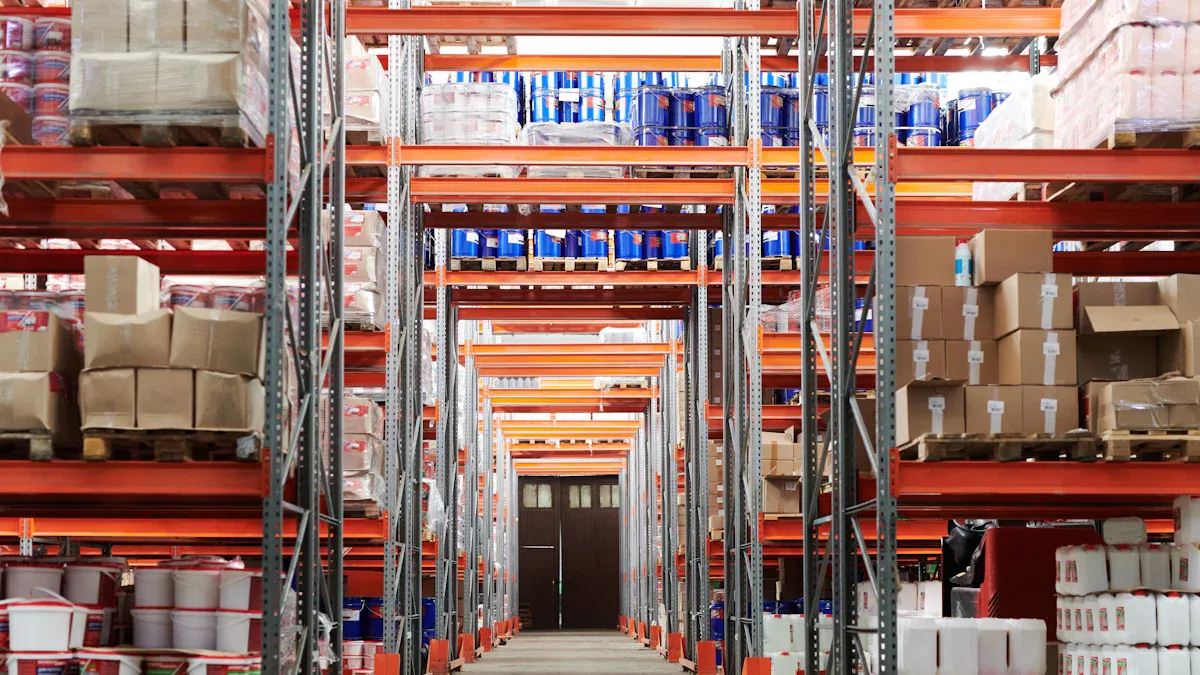
Supply chain integration changes how you get products and run your business. You get faster order processing and clear communication from start to finish. Digital-first sourcing solutions now help global trade and make your work easier. You can see real benefits in saving money, speed, and trust. The table below shows how integrated supply chains do better than non-integrated ones:
Aspect | Integrated Supply Chain (SCI) | Non-Integrated Supply Chain |
|---|---|---|
Agility | Helps you react fast to market changes or problems. | Has less agility because steps are not connected. |
Transparency | Gives you full visibility, so there are fewer delays and mistakes. | Often does not show everything, which can cause delays. |
Cost Savings | Cuts out extra steps and shortens wait times. | Can cost more because it is not efficient. |
Key Takeaways
Supply chain integration links all parts of your business. This helps orders get done faster and improves talking between teams.
Digital tools let you watch inventory and share data right away. This makes your supply chain work better.
Working with suppliers is important. Good relationships help you get better supplies and save money.
Always try to improve. Check your processes often and make them better to stay ahead.
Make clear goals and use technology to make your supply chain smoother. This lowers costs and makes customers happier.
What Is Supply Chain Integration?
Supply chain integration means all parts of your supply chain work together. This includes suppliers and customers. Leading supply chain management groups say it is a process that never stops. You work with manufacturers, suppliers, and logistics providers. You also work with customers. This way, you know what is happening at every step. Sharing information helps everyone do better. You can save money and make customers happier. You can also make your work easier by syncing up your processes.
Integration in Sourcing
Using integration in sourcing makes buying things easier and faster. You can pick from different models for your business:
Lean supply chain strategy helps you waste less and save money.
Agile supply chain strategy helps you react fast to market changes.
Customization strategy lets you make products for each customer.
Green supply chain strategy helps you care for the environment.
Global supply chain strategy helps you work with suppliers in many countries.
Integrated supply chains use technology and data to show you what is happening now. You can find and fix problems fast. Traditional supply chains do not connect every step. This can cause delays and cost more money. Integrated supply chains work like one team. This makes your business more dependable.
Key Elements of an Integrated Supply Chain
You need some important things to build an integrated supply chain. The table below shows what is most important:
Element | Description |
|---|---|
Alignment | You set goals together to save money and do better. |
Connectivity | You link orders and inventory with your supply chain partners. |
Transport Connectivity | You use good transport to move goods quickly. |
Commercial Integration | You make business deals and set goals for how well you do. |
Customs and Security Integration | You move goods across borders easily and keep them safe. |
Regulatory Integration | You follow rules to help goods move and pick the best transport. |
Planning and Funding Integration | You plan where to spend money to fix problems and connect better. |
Work Practices Integration | You teach workers to handle goods fast and the right way. |
Information Systems Integration | You connect computer systems to manage and track better. |
These elements help make your supply chain stronger and work better.
Overcoming Integration Challenges
Breaking Down Silos
Silos in a company can slow things down. Silos happen when teams do not share or work together. These walls can look different in each company.
Organizational silos can be systemic silos with different goals, elitist silos where people keep knowledge, or protectionist silos where people hide information. Each kind can stop your supply chain from working well.
To break these walls, you need trust and talking. When you share data, everyone sees the same thing. Shared numbers and real-time tracking help teams find problems fast. One platform lets all partners use the same info. This helps everyone work together and make fewer mistakes.
Technology and Data Barriers
Many companies have old systems that do not work with new ones. It can be hard to share data or track things in real time if systems do not match. Some common problems are:
Bad information sharing
Systems that do not work together
Not enough trust
Almost half of supply chain workers say bad data stops them from getting better. You need good data for real-time tracking and smart choices. When you use new tools, you can see your goods and react fast to changes.
Change Management
You must help your team when you start integration. Good change management makes people feel ready and supported. The table below shows some top ways to help:
Strategy | Description |
|---|---|
Communicate clearly and frequently | Keep everyone informed and build trust. |
Engage stakeholders early and often | Involve all groups from the start to boost success. |
Develop a comprehensive training program | Teach new skills and fill knowledge gaps. |
Create a supportive culture | Encourage new ideas and teamwork for better results. |
You can avoid mistakes by planning well. Do not rush new systems. Make sure you know who does each step. Use real-time tracking to find problems before they get big. When you focus on people and process, integration goes smoother and works better.
Benefits of Supply Chain Integration

Boosting Supply Chain Performance
You can make your supply chain work better by connecting all parts. Supply chain integration helps you track your goods at every step. You always know where your inventory is. This makes it easy to find problems early and fix them fast. You also lower risks because you have more information.
Here are some ways supply chain integration helps you:
You see everything in your supply chain.
You save money by removing extra steps and mistakes.
You make customers happy by delivering on time.
You use data to make smart choices for your business.
You earn more money by reacting fast to changes.
Digital tools help you manage inventory and shipping without much work. A warehouse management system helps you move goods quickly and keep the right amount of inventory. You do not need to store too much, so you save money. You also stop delays that can slow down your work.
Note: If it takes longer to get goods, you need more inventory. This costs more money. Delays can make you lose sales and upset customers. Good lead time estimates help you plan better and use your resources well.
Cost and Efficiency Gains
Supply chain integration helps you save money and work faster. When your systems are connected, you do less manual work. You also make fewer mistakes. This means you finish jobs faster and spend less.
A study of 375 small and medium businesses found that lean supply chain activities can cut costs by 10% to 15%. You can save money by managing spending and using digital tools.
Aspect | Contribution to Efficiency |
|---|---|
Digital Transformation | Changes how you move goods and makes messages clear. |
Cost Reduction | Lowers shipping costs and helps you work better. |
Real-time Integration | Lets you act fast and get paid sooner. |
Automation | Cuts down on manual work and helps you find the best routes. |
Security Improvement | Uses real-time checks and data to keep goods safe and customers happy. |
Information Transparency | Makes it easy to collect and study data, so you see what is happening. |
You can use new technology like AI, IoT, and blockchain to manage your supply chain. These tools help you use your resources well and work better with suppliers. You get more information and can act fast to keep costs low.
Enhanced Sourcing Experience
Supply chain integration makes sourcing easier and better. You can see your inventory and orders at every step. You can track everything from finding a product to delivery. This makes your work simple and reliable.
Many companies have made sourcing better with integration. For example, H&M built strong partnerships and shared information. Illycaffè worked with farmers to check quality. Patagonia picked certified suppliers to help the environment. IBM used real-time data to keep costs low and orders on time.
Fishgoo is a good example of how integration helps buyers. You can use their platform to do all your sourcing in one place. Fishgoo supports you from start to finish. You can find many suppliers, check product quality with QC photos, and track your inventory. The platform sends alerts and updates, so you always know what is happening. You can also insure your packages to lower risks.
Tip: Fishgoo uses smart data to warn you about problems. This helps you act early and keep your supply chain working well.
When you use extra services like package consolidation, stronger packaging, and real-time tracking, you make sourcing even better. You save time, spend less, and keep customers happy. Supply chain integration turns a hard supply chain into an easy one.
Steps to Build an Integrated Supply Chain
Building an integrated supply chain helps you work better and faster. You can follow simple steps to make sourcing and logistics easier. Fishgoo’s one-stop model shows these steps in action. You can use these ideas to help your own business.
Aligning Goals and Teams
You need to set clear goals for supply chain integration. When you include all partners and teams, everyone works toward the same goals. You can use SMART goals to check progress. Shared goals help you see success and find ways to improve.
Strategy | Description |
|---|---|
Involve supply chain partners | Work with partners who share your goals and values. |
Make goals that are specific and easy to measure. | |
Set shared objectives | Give all teams common goals and use KPIs to check how they do. |
You can look at supplier ratings and read reviews to spot trends. Fishgoo uses this way to pick trusted suppliers. You can also keep talking with your teams and partners. Checking often helps you change your process as your business grows.
Tip: When you match goals and teams, you build a strong base for working together and supply chain integration.
Leveraging Digital Tools
You can use technology to link every part of your supply chain. Digital tools help you track inventory, share data, and plan better. Fishgoo uses cloud systems to keep everyone updated. You can use AI and machine learning to guess demand and find problems early.
Digital Tool | Benefits |
|---|---|
RFID | Tracks inventory with automatic data collection. |
AI and Machine Learning | Looks at data to guess demand and spot risks. |
Blockchain | Keeps records clear and safe. |
Cloud-based Systems | Shares real-time data and watches operations. |
IoT Devices | Tracks goods live and helps you see what is happening. |
Sharing data in real time helps you talk with partners. You can use planning systems to meet demand. Fishgoo’s platform lets you see updates and alerts for orders. You can use analytics to watch shipments and inventory. Predictive analytics helps you lower mistakes and improve inventory.
Note: Digital tools help you spot risks and act before problems get bigger.
Supplier Collaboration
Working with suppliers is important for supply chain integration. You need to work closely with suppliers to make sourcing and buying better. Open talking helps you match goals and share info. Fishgoo keeps clear talking with suppliers to meet expectations.
Working together lets you use supplier ideas and save money.
You can make processes smoother and manage inventory better.
Good supplier relationships help you see your supply chain clearly.
Planning together helps you match production schedules.
You can lower inventory costs and react fast to changes.
Fishgoo’s model shows how working with suppliers brings better results. You can use safe payment methods to protect deals. You can also use supplier skills to reach shared goals.
Tip: When you build strong ties with suppliers, you help both sides and make your supply chain stronger.
Continuous Improvement
You need to keep making your supply chain better to stay ahead. Continuous improvement means you look for ways to make logistics and efficiency better. You can use programs and technology to improve your process.
Make logistics better to lower costs and deliver faster.
Build a culture of efficiency by sharing ideas and teamwork.
Use programs to check progress and set new goals.
Use technology to watch and improve operations.
Make supplier partnerships stronger for long-term success.
You can break down silos to see things in real time. Match your improvement plans with ESG goals. Give training and support to partners. Make learning loops to keep everyone updated. Fishgoo uses extra services like package consolidation and stronger packaging to make shipping safer and cheaper.
Success Story: A global retail chain used a digital control tower to cut inventory costs by 22% and deliver faster. You can get similar results by using digital twins and other smart tools.
You can use data analytics to watch shipments and inventory. Companies see up to 30% better efficiency and forecasting with analytics. You can save up to 15% by making logistics and buying better.
Tip: Continuous improvement keeps your supply chain strong and ready for new challenges.
Practical Steps to Get Started
You can follow these steps to build your integrated supply chain:
Set your goals for supply chain integration.
Check suppliers to make sure they meet your standards.
Use technology to connect all parts of your supply chain.
Help everyone work together.
Pick the best vendors and work with your teams.
Cut out waste in your process.
Fishgoo’s one-stop model shows how these steps fit together. You can use technology, analytics, and extra services to make sourcing and logistics better. When you follow these steps, your supply chain gets more efficient and reliable.
Supply chain integration makes sourcing easier and helps you work better. You can get real results like faster deliveries, more sales, and spending less money:
Metric | Benefit |
|---|---|
On-time delivery rate | Shipments arrive fast and on time |
Inventory turnover rate | Less waste and more money saved |
Customer satisfaction | Buyers come back more often |
You can start by checking how well your suppliers do. Use digital tools to help you track and plan. Work with good partners to make things smoother. Try a small project or ask supply chain experts for advice. These steps can help your business grow.
FAQ
How does supply chain integration improve productivity?
When you connect your supply chain, you get more done. You can see where your goods are at all times. This helps you make fewer mistakes. You finish your work faster. Real-time updates help you make good choices. Your business runs better and smoother.
What role does inventory control play in supply chain integration?
Inventory control helps you keep the right amount of stock. You can watch your products from buying to delivery. This saves you money and keeps customers happy. Good inventory control means faster shipping and less waiting.
Why is supply chain relationship governance important?
Supply chain relationship governance sets rules for working together. It helps you trust your partners. You can fix problems quickly. Everyone works toward the same goals. Good governance means better teamwork and results you can count on.
What software for supply chain integration should you consider?
Pick software that matches what your business needs. Look for tools that use digital features and real-time tracking. Make sure you can share data easily. These tools help you manage orders, inventory, and shipping all in one place.
How do digital capabilities support supply chain integration?
Digital capabilities give you tools to track and plan better. You can see shipments and share data fast. These features help you spot problems early. You can work faster and make smart choices for your supply chain.
See Also
Enhancing Your Global E-Commerce Logistics for Maximum Efficiency
Simplified Shopping Experience: Your All-in-One China Platform
The Importance of Global Warehouse Services for Business Growth
Comprehensive Overview of JD Purchasing and Forwarding Services
Weidian Insights: Direct Purchasing from China - Pros and Cons