Unlocking Europe’s Logistics Potential with Smart Hub Locations

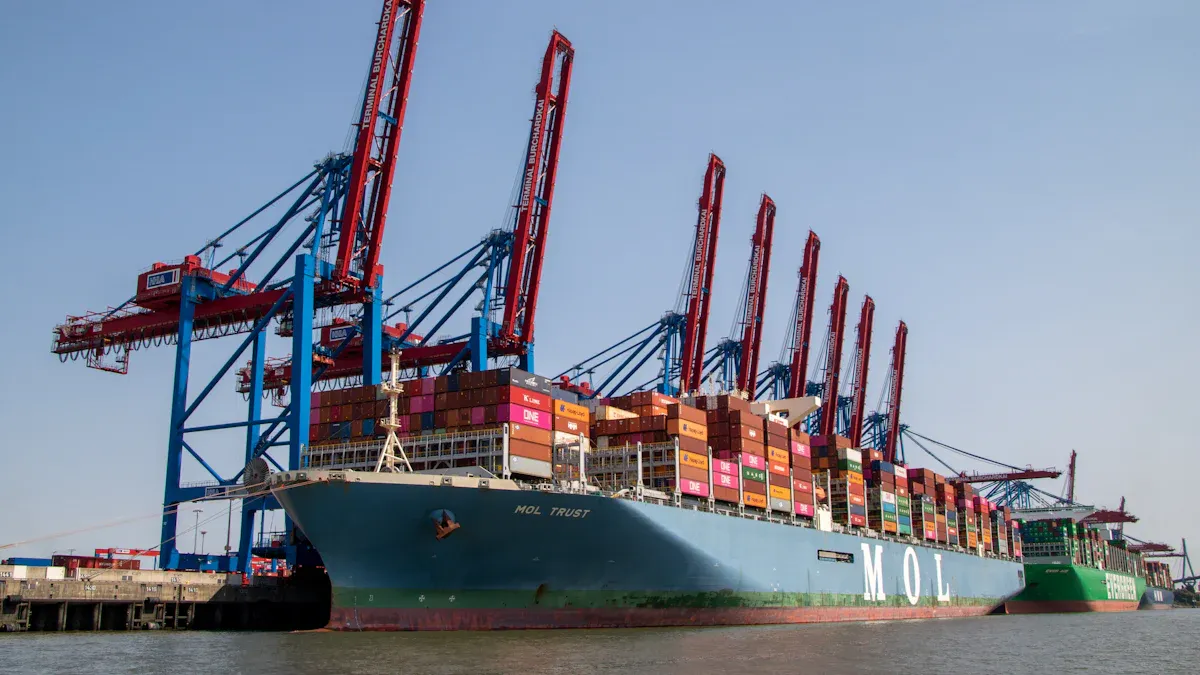
Choosing the best place in Europe helps businesses gain a strategic advantage in global logistics. Companies work faster and grow when they pick a spot that links important markets. The right location allows them to trade more effectively and stay ahead of competitors.
Source | Key Insights |
|---|---|
Cross-Border Road Transport Market | Lots of trade means more need for cross-border logistics. New roads and railways link China, Asia, and Europe. Online freight tools help things move faster. |
Cross-border Road Transport Market Trends | More exports and imports come from trade deals, online shopping, and moving factories closer. Good logistics are needed to maintain a strategic advantage. |
Cross-border Logistics Market | Global logistics needs to be quick and reliable. This is driven by world trade and online shopping. |
Establishing smart hubs in Europe enhances global logistics. Companies that strategically plan their locations benefit from better transport and can react swiftly to changes. They should evaluate their current network and explore new avenues to secure a strategic advantage.
More trade deals contribute to trade growth.
Increased online shopping necessitates improved logistics.
Relocating factories and creating new hubs enhances logistics efficiency.
Key Takeaways
Picking the best logistics hub in Europe helps businesses work better and grow. Smart hubs have skilled workers and new buildings, so companies can save money. Places like Poland and Spain are good because they cost less and have strong transport links. Using data and technology makes logistics better and helps companies react fast to market changes. Sustainability trends are changing logistics, so companies try to be greener and lower emissions.
Strategic Advantage of Logistics Hubs in Europe
Unlocking Efficiency and Growth
Choosing a smart hub in Europe helps companies do better. Businesses that pick the right spot can work faster and grow more. They find steady workers in big cities and college towns. This helps their work go smoothly and lets them hire skilled people.
Companies want places where they can get bigger. If a hub has space, they can grow without moving. This makes it easier to use new technology and offer more services.
Poland is a good choice for many logistics companies. It has low labor and running costs, so companies save money. Spain is also popular as a hub. Its location helps reach both Europe and North Africa. Spain’s modern railways and big ports help move goods quickly.
Companies that pick smart spots in Europe often grow fast. For example, Skechers put its center in Belgium and saw big sales growth. Warehousing and distribution centers in Western Europe are getting higher rents. This means more stores and online shops are changing how they manage supplies.
Putting hubs in Germany and the Netherlands helps connect and move goods better. Germany has big ports and airports, plus logistics groups near main cities. This helps businesses grow. The Netherlands works with global partners to make its logistics even stronger.
A smart hub in Europe gives many benefits:
Steady supply of workers
Room to grow and use new tech
Lower costs in places like Poland
Good market access from Spain and other southern hubs
Modern ports and railways
All these things help companies work better and grow for a long time.
Enhancing Connectivity Across Borders
A smart logistics hub in Europe does more than help companies work faster. It also helps move goods between countries. The EU’s single market lets goods travel easily between member countries. This lowers costs and makes shipping simpler for companies in many places.
Benefit | Explanation |
|---|---|
Access to the EU's Single Market | Goods move easily across EU countries without extra fees or checks, making shipping easier and cheaper. |
Shorter Transit Times | Goods kept in the EU can be sent quickly to important markets, making customers happier. |
Reduced Transportation Costs | Local storage helps send goods out faster, lowering shipping costs and keeping prices low. |
Enhanced Supply Chain Flexibility | Keeping goods in the EU helps companies react quickly to changes and what customers want. |
Simplified Customs Compliance | Shared customs rules in the EU make shipping easier and save time. |
Improved Customer Service | Faster shipping meets customer needs and helps companies compete. |
Hubs near big ports in Germany, Spain, and the Netherlands make it easy to use ships, trains, and trucks. This helps companies move goods all over Europe and even farther.
Logistics companies in Europe use different ways to ship, buy from more than one source, and store goods in many places. These ideas make their work stronger and help the environment. By working with third-party logistics companies in France, brands can grow and save money without building their own warehouses.
Projects like the EU’s FENIX plan use shared data to connect logistics partners. This helps move goods better and share information quickly between countries. It means fewer delays and a stronger European market.
Many European ports are in the center, so goods switch easily between ships, trains, and trucks.
Using data helps move goods between countries.
Smart hubs in Europe help companies deliver quickly and reliably.
Picking the right hub in Europe helps companies stay strong, work well, and get ready to grow in a fast-changing world.
Key Geographic Strengths in Europe
Central and Eastern Europe’s Rise
Central and Eastern Europe are now very important for logistics. Poland is leading with new projects like Centralny Port Komunikacyjny (CPK). This project helps connect more places in Europe. Many companies pick this area because workers cost less and transport is strong. The logistics map in Europe is changing. Air, rail, and road work together more now. Companies move supply chains closer to customers. This helps them save money and lower risks.
Poland has low labor costs and good infrastructure.
Central Europe’s networks help with fast shipping.
Nearshoring makes this region a good choice for strong supply chains.
Factor | Description |
|---|---|
Labor Costs and Availability | Eastern European countries like Poland usually have lower labor costs than Western Europe. This can help logistics companies spend less money. |
Major Western Hubs: Germany, France, Netherlands
Western Europe is still very strong in logistics. Germany, France, and the Netherlands are known for great infrastructure and central locations. These countries make it easy to reach big markets and ship goods quickly.
Country | Key Strengths |
|---|---|
Netherlands | It is in a good spot near the North Sea. Rotterdam is a top port. Roads and railways are very good. Many workers speak English. Customs is simple. The Netherlands is a gateway to Europe. It ranks high in the World Bank’s Logistics Performance Index. |
Germany | Germany has the biggest economy in Europe. It has many highways and railways. Workers are skilled in logistics. Big logistics companies are here. The infrastructure is modern. Its location helps reach both Western and Eastern Europe. |
Belgium | You can reach big EU markets in one day. Antwerp is a busy port. Workers speak many languages. Customs is advanced. |
These hubs have strong economies and good transport. Companies can reach markets fast and clear customs easily.
Factor | Description |
|---|---|
Transportation Infrastructure | Europe has great roads, railways, and ports. Belgium, the Netherlands, and Germany are known for this. It helps goods move smoothly across Europe. |
Proximity to Markets | Places like Belgium, the Netherlands, Germany, and France are close to many customers. They are good for sending goods all over Europe. |
Economic Networks | Busy areas like the Rhine-Ruhr in Germany help companies find supplies and send out products. Many businesses are close together. |
UK and Northern Ireland as Gateways
The UK and Northern Ireland are important gateways to Europe and the UK. Northern Ireland links the UK, Ireland, and Europe. Fast shipping and strong connections help trade work well.
Evidence Point | Description |
|---|---|
Gateway Access | Northern Ireland links the UK, Ireland, and Europe. This helps businesses grow in new places. |
Proximity to Europe | It is close to Europe, so shipping is fast. |
Connectivity | Good links to the UK help trade move quickly. |
Belfast is special in UK and European logistics. It connects Great Britain and Ireland and can reach both markets. Belfast International Airport moves more cargo each year. Northern Ireland’s post-Brexit status helps trade with both GB and EU without problems.
Northern Ireland has short sea travel times and good links to America. Third-party logistics companies in Belfast and Lisburn help companies deliver fast. Big ports like Belfast Harbour and Dublin Port help with trade and local deliveries.
Criteria for Strategic Hub Selection
Proximity to Markets and Transport Links
Picking a smart hub in Europe means thinking about how close it is to customers and suppliers. Companies do better when they are near big roads, railways, seaports, and airports. Being close to these places helps save money and makes deliveries faster. The Netherlands, Germany, and Belgium have great infrastructure and are easy to reach. Poland is a good choice for Central and Eastern Europe because it saves money. Spain helps connect to other countries. Cities in the Blue Banana corridor let companies reach lots of people and rich markets. If companies pick spots near big European seaports and airports, they can serve many customers quickly.
Ordered List of Top Choices for Logistics Hubs in Europe:
The Netherlands, Germany, and Belgium are best for Western Europe because they have great infrastructure.
Poland is good for Central and Eastern Europe.
Luxembourg is good for special logistics services.
Spain helps connect to other countries.
Infrastructure and Labor Availability
Good infrastructure and easy access are important for picking logistics hubs. Strong infrastructure helps move goods smoothly and makes work easier. Europe’s distribution networks use modern roads, railways, and ports. Companies want places with good transport and strong infrastructure. Having skilled workers is also important. Skilled workers help keep supply chains running well. Labor costs and rules matter when picking a site. Places with lots of skilled workers help companies work better and be flexible.
Criteria | Description |
|---|---|
Saves money and time on transport, making customers happier. | |
Infrastructure quality | Good infrastructure helps move goods easily and keeps work running well. |
Accessibility | Good transport networks help deliver on time, which is important for factories. |
Labor market considerations | Different labor costs and rules change how much it costs to run things and where to build. |
Local rules and policies can change how logistics work and how much they cost. |
Regulatory and Incentive Factors
Rules and government rewards help decide where to put logistics hubs in Europe. Environmental rules, money rewards, and tech policies all matter. The European Union’s Green Deal pushes companies to use green technology. Money rewards like tax breaks and grants make some places better for logistics hubs. Local rules and policies can change how goods move and how much things cost.
Rules help guide how supply chains work.
Money rewards help build better infrastructure.
Policies help companies use new technology and be more green.
Value-Added Services and Operational Efficiency
Extra services like putting orders together, special packaging, and kitting help companies work better and save money. These services make customers happier and help shipping go smoothly. Fishgoo’s way uses warehousing, checking products, and flexible shipping. Checking products makes sure customers get what they ordered. Many warehouses put products close to customers, which helps work go faster. Fishgoo shows how smart planning and good infrastructure help logistics in Europe.
Evidence | Description |
|---|---|
Order Consolidation | Saves money by sending many orders together in one shipment. |
Custom Packaging | Makes brands stand out and helps fill orders faster. |
Kitting and Assembly | Makes work easier and keeps customers happy. |
Companies that pick spots close to customers and suppliers, have good infrastructure, and hire skilled workers do better in Europe’s logistics market.
Warehousing in Europe: Case Studies and Solutions
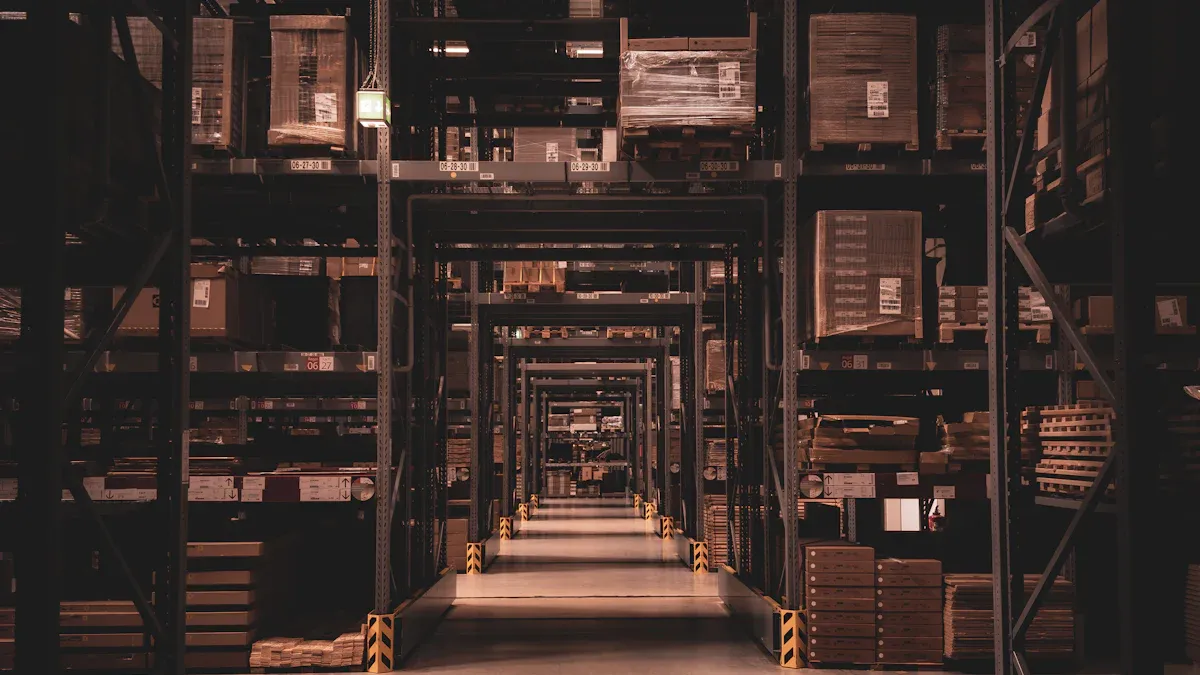
Fishgoo’s Spanish Warehouse Model
Fishgoo runs a big warehouse in Spain. The warehouse is in a busy logistics area. This spot helps cross-border e-commerce by keeping goods close to buyers in Europe. Fishgoo uses smart technology and shipping plans to handle many orders. Workers check products for quality before sending them out. This helps orders go out faster and with fewer mistakes.
When it gets busy, the warehouse keeps enough stock ready. Customers get their packages quickly, even when lots of people order. Fishgoo saves money by storing goods near customers. The warehouse also offers extra services like putting orders together and special packaging. These services help brands look special and keep customers happy.
Fishgoo’s way of warehousing in Europe shows how a good location can make logistics better. The company uses strong infrastructure and technology to set a high example for others.
Fishgoo’s Spanish warehouse helps companies deliver faster, save money, and give better service to customers in Europe.
Key features of Fishgoo’s Spanish warehouse model:
Good spot for cross-border e-commerce
Smart technology for handling orders
Quality checks and quick shipping
Extra services for brands
Lower delivery costs and happier customers
Rotterdam, Antwerp, and Dusseldorf
Many companies pick warehouse spots in Europe based on the best locations. Rotterdam, Antwerp, and Dusseldorf are top choices because they have strong points and good infrastructure. These cities connect big markets and have easy transport links.
Location | Unique Strengths |
|---|---|
Rotterdam | Great spot at the Port of Rotterdam, close to food centers, with direct links by barge, rail, and road to big cities. |
Antwerp | Good access to main shipping routes and a strong logistics network. |
Dusseldorf | Central spot in Europe with great transport links to many places, making deliveries fast. |
Rotterdam’s port is one of the busiest in Europe. Goods move quickly between ships, trains, and trucks. Antwerp has strong links to global shipping lanes. Dusseldorf’s central spot helps with fast deliveries across Europe. These hubs use modern infrastructure to keep supply chains working well.
Companies using these warehouse spots get:
Quick access to European markets
Reliable ways to move goods
Modern infrastructure for smooth logistics
These cities are often picked for warehouses because they help businesses grow and serve customers better.
Paris and Rhine-Ruhr Region
Paris and the Rhine-Ruhr region are important for warehousing in Europe. Paris has a big logistics market, worth EUR 57.5 billion in 2023. The city’s strong industry and central spot make it a top pick for many companies. Paris connects easily to other parts of Europe, helping trade and e-commerce grow.
The Rhine-Ruhr region in Germany is also busy with logistics. In early 2025, the region had a warehouse take-up of 201,000 sqm, which is more than before. This area has lots of roads and railways, so moving goods is easy. The logistics market in the Ruhr region changes, but it stays important for companies needing flexible warehouse spots.
Key points about warehousing in these regions:
Paris has steady growth and strong connections.
The Rhine-Ruhr region meets the need for more warehouse space.
Both places have modern infrastructure and reach big markets.
Paris and the Rhine-Ruhr region show how the right warehouse spot and good infrastructure help companies keep up with Europe’s changing logistics market.
Good warehousing in Europe often uses Delivery-Duty-Paid (DDP) and local return handling. These models stop surprise customs fees and make returns easier for customers. Companies that handle returns locally give faster refunds and better service.
Trends Shaping Logistics in Europe
E-Commerce and Last-Mile Demands
E-commerce is changing how logistics works in Europe. Online shopping is growing fast. In Western Europe, sales reached €499 billion by 2021. E-commerce will keep growing in the future. By 2030, last-mile delivery will go up by 78%. This big jump brings new problems for cities. Crowded cities make last-mile delivery hard. It costs a lot and is not always efficient. Sometimes deliveries fail or get returned. This makes things more complicated. Companies must change to fit what customers want. They also need to care about the environment. More small delivery vehicles cause traffic and pollution.
Year | E-commerce Sales (in € billion) | Projected Last-Mile Delivery Demand Increase (%) |
|---|---|---|
2019 | 410 | N/A |
2021 | 499 | N/A |
2030 | N/A | 78 |
Urban logistics sites are now very important. Investors look for strong logistics markets. Companies want places that make money and have good infrastructure. Logistics hubs in Europe now focus on being close to customers. They also want better last-mile delivery.
Sustainability and Green Logistics
Sustainability is changing logistics in Europe. Transport makes up 25% of all EU emissions. Big trucks add a lot to this problem. The logistics industry needs to lower emissions and work better. Companies spend money on greener infrastructure. SKF and LOTS Group worked with Scania to start a long battery-electric vehicle route. This project wants to cut emissions and make transport better.
Urban freight transport uses greener ways.
Loge-Hubs uses real-time data and AI to help traffic and pollution.
Electric transport networks help make logistics cleaner.
Initiative | Description |
|---|---|
Urban Freight Transportation | Greener freight projects find what works and what does not. |
Loge-Hubs | Real-time data and AI help logistics hubs lower traffic and pollution. |
Electrification | Battery-electric vehicle routes help lower emissions and work better. |
Policy and Trade Impacts
Policy changes and trade deals affect logistics hubs in Europe. Risks in the world make companies use more local logistics. The EU’s Green Deal pushes for greener infrastructure. Local plans help companies handle risks and new trade patterns. Investors put money in top hubs with strong infrastructure and good tenants. Less interest in risky projects makes core markets stronger.
Policy changes help logistics improve.
Trade deals give new chances to grow.
Strong infrastructure helps with long-term investment.
Companies in Europe need to keep up with e-commerce changes, build greener infrastructure, and follow new policies and trade deals to stay ahead.
Aligning Strategic Hub Location with Business Goals
Scalability and Future-Proofing
Companies in Europe need to pick a logistics hub that helps them grow and change in the future. Seeing inventory in real time helps brands grow safely. Using data to fill orders makes work faster and more accurate. Multi-node fulfillment uses real-time data to watch stock and stop shortages. This makes sure products get to customers on time.
Benefit | Description |
|---|---|
Scalability | Systems grow with the company and help new tech work later. |
Cost efficiency | Modern tech saves money over time and makes work better. |
Competitiveness | New tech helps companies stay strong and follow new trends. |
A hub’s spot should make it easy to use new tech. Companies that share data across channels can react faster to changes. This keeps work smooth and helps reach long-term goals.
Risk Management and Resilience
Strong logistics hubs help companies avoid problems. Businesses use reshoring or nearshoring to depend less on long supply chains. Using many suppliers means no single one can cause big trouble. Using tech like AI and blockchain helps see problems and make good choices.
Cohesion Policy builds better infrastructure and helps with new ideas, so companies need fewer suppliers from far away.
Recovery and Resilience Facility helps build digital tools for faster customs.
Digital Decade Policy Programme uses AI and big data to make work better.
Amazon uses AI to change shipping routes fast when tariffs change. Zara builds hubs in Europe to avoid tariffs and deliver faster. These ideas make supply chains stronger and help companies bounce back.
Customizing for Industry Needs
Different industries need special logistics solutions. Luxembourg’s hubs handle medicines and follow strict rules. The spot between Germany and France helps e-commerce by shipping straight to EU buyers. New tech like IoT and AI makes logistics smoother.
Luxembourg also helps the environment by using clean tech and zero-emission transport. Companies that pick a spot that fits their industry do better and meet their needs.
Companies that match their logistics hub spot with their goals can grow, stay strong, and get special advantages for their industry.
Putting hubs in smart places in Europe helps businesses do better. Companies work faster when they pick spots with good roads and strong connections. Extra services like putting orders together and checking quality help companies work well.
Good choices in logistics help companies grow and stay strong.
Look at how your logistics works now.
Find new places for warehouses and shipping.
Change your plans to fit what the market needs.
FAQ
What factors make a logistics hub location strategic in Europe?
A strategic hub has good transport links and skilled workers. It is close to important markets. Companies save money and deliver faster. They can reach customers more easily.
How does Fishgoo’s Spanish warehouse improve cross-border logistics?
Fishgoo’s Spanish warehouse makes order processing simple. It checks product quality and ships fast. Brands send products quickly and reliably to customers in Europe.
Why do companies choose hubs in Rotterdam, Antwerp, or Dusseldorf?
These cities have great infrastructure and big ports. They connect well to European markets. Businesses move goods faster and pay less for shipping.
What value-added services help optimize logistics operations?
Order consolidation, custom packaging, and product checks help work go smoothly. These services save money and make customers happy. They also allow flexible shipping.
How do sustainability trends impact logistics in Europe?
Green logistics lowers emissions and uses cleaner transport. Companies buy electric vehicles and use smart data systems. This helps meet environmental rules and goals.
See Also
Maximizing Cross-Border E-Commerce Logistics For Global Growth
The Importance Of Global Warehouse Services For Business Success
Key Global Shipping Solutions For Newcomers In 2025
Future Trends In Global Shipping: Insights From FISHGOO
Expanding Your E-Commerce Brand Globally With A Comprehensive Solution