How Smart Solutions Improve Last-Mile Delivery in Japan

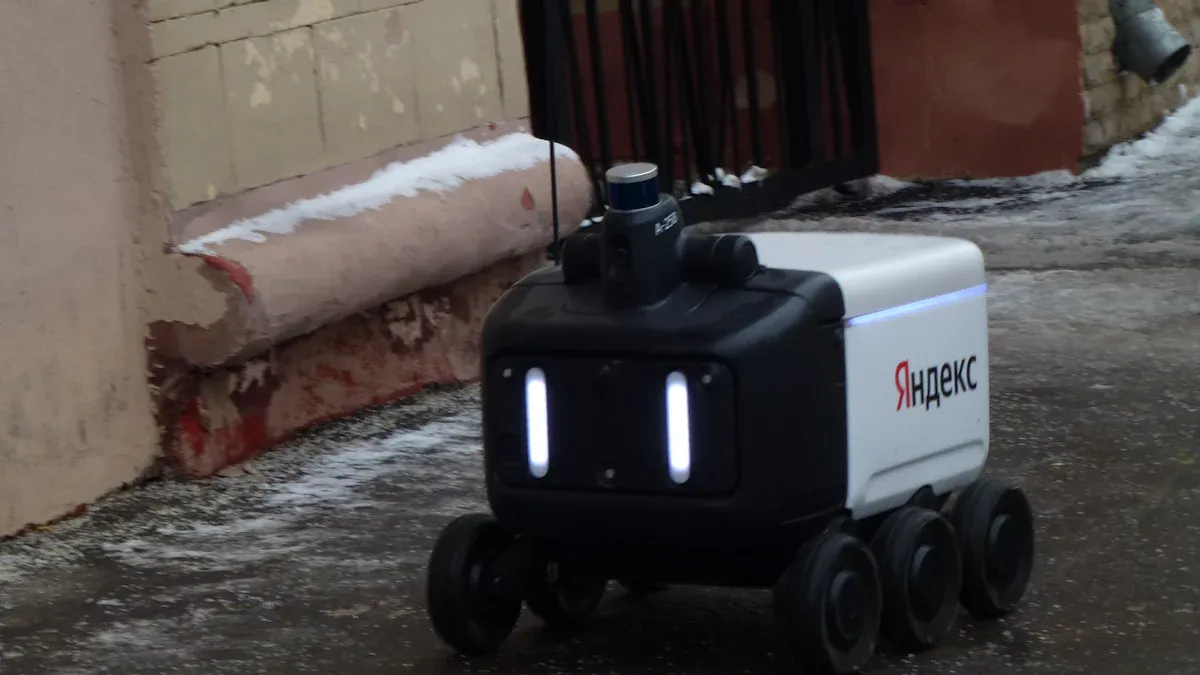
You can see smart solutions changing how packages get to your home in Japan. These new tools help deliveries go faster. They also make them more reliable. They are better for the environment too. E-commerce keeps getting bigger. The market will reach 14.55 trillion yen in 2024. That is a 7.3% increase from last year. Companies use AI, robotics, and IoT to work better and safer. The table below shows how these changes help the future of Last-Mile Delivery:
Aspect | Details |
|---|---|
Market Growth | Strong growth is expected from 2025 to 2032 |
Autonomous Vehicles | More drones and self-driving vehicles will be in cities |
Hybrid Delivery System | People and robots work together for better service |
Key Takeaways
Smart solutions such as AI and robotics help packages arrive faster and more often on time in Japan. Automation lets companies use less time and spend less money, so customers get their packages quicker. Real-time tracking lets you see where your package is, which helps you trust the service and feel happy. Flexible payment choices and picking delivery times make shopping easier and help stop missed deliveries. When companies work together and use electric vehicles, they help make delivery better for the environment.
Last-Mile Delivery Challenges in Japan

Japan has some problems with Last-Mile Delivery. These problems make it harder to get your packages fast. Let’s see what the main problems are and how they change delivery.
Labor Shortages
Delivery drivers are working harder now. There are not enough workers in Japan’s logistics industry. There are more job openings for drivers than other jobs. This makes it tough for companies to handle more orders.
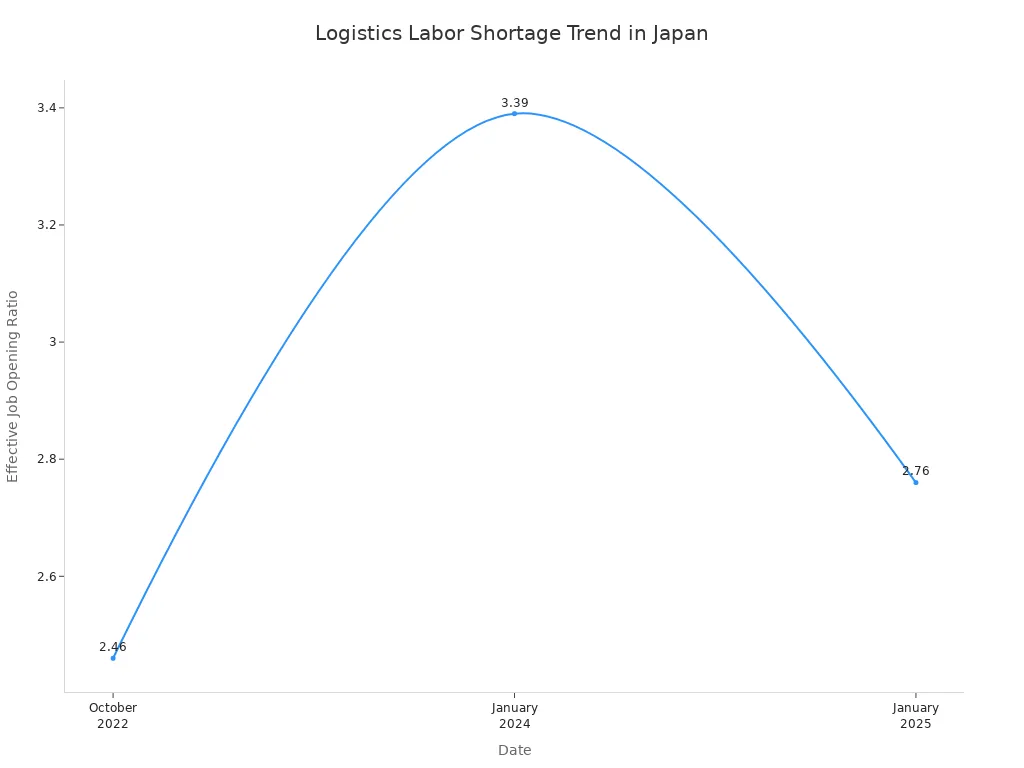
In October 2022, the job opening ratio for drivers was 2.46.
By January 2024, it rose to 3.39 in the transportation industry.
In January 2025, the ratio for drivers reached 2.76.
Many older drivers are leaving their jobs. Not many young people want to be drivers. New laws also stop drivers from working too much overtime. This makes the shortage even worse.
High Redelivery Rates
Redelivery is a big problem in Last-Mile Delivery. If you miss your package, the driver has to come again. This costs more money and uses more fuel. Before COVID-19, about 15% of packages needed redelivery. Now, it is about 9.5% for big companies. But there are more packages, so redeliveries are still going up.
Redeliveries use more work hours and fuel.
In some places, redelivery rates can be as high as 20-30%.
The government wants people to use delivery boxes and drop-off spots to help.
Urban Logistics Complexity
Delivering in cities is hard. There is more traffic and not enough parking. Streets are crowded. These things slow down deliveries and make them cost more. In 2024, about 10.4% of packages needed redelivery. This shows city life makes delivery harder.
Cities have lots of traffic and not enough parking.
Rural areas are far apart, so fuel costs go up.
Some cities use joint delivery to make things better.
Note: The table below shows how these problems affect delivery in Japan.
Challenge | Description | Frequency/Impact Data |
|---|---|---|
Increase in Delivery Volume | More parcels mean more pressure on logistics. | Delivery volume keeps rising, causing shortages in centers and vehicles. |
Frequent Re-delivery | Drivers make more trips for missed deliveries. | Redelivery numbers are increasing due to more parcels. |
Infrastructure Strain | More vehicles on the road cause congestion. | Traffic jams slow down deliveries and lead to more redeliveries. |
Profitability Issues in Rural Areas | Deliveries to far areas cost more and earn less. | Higher costs in rural areas make it hard for companies to stay profitable. |
Smart Technologies for Last-Mile Delivery
Automation and Robotics
Automation and robotics are changing how packages move in Japan. Many companies use robots in warehouses to sort and pack boxes. These robots work fast and never get tired. In some cities, delivery robots travel on sidewalks. They bring packages right to your door.
The market for automation and robotics is growing quickly in Japan. In 2024, it was about 1,883 million dollars. Experts think it will almost double by 2031. This is because more people shop online. There are fewer workers, and city deliveries cost more.
Note: Automation helps companies save both money and time. Robots do jobs that used to take people hours. This means you get your package sooner.
Here are some facts about automation and robotics in Last-Mile Delivery:
Most supply chain leaders in Japan think AI and automation help stop delivery problems before they start.
Companies using big data and AI can guess how many packages will come to each center. This helps them plan better and use fewer trucks.
Delivery productivity can go up by 20%. Truck travel distance can drop by 25%.
Year | Market Size (USD) | CAGR (%) |
|---|---|---|
2024 | 1,883 million | 10.2 |
2031 | 3,679 million |
Robots and automation make Last-Mile Delivery smoother and more reliable. Platforms like Fishgoo use digital tools to manage orders and track packages. This makes things easier for you.
AI Route Optimization
AI route optimization helps drivers find the best way to deliver packages. The system checks real-time traffic, weather, and past delivery data. It gives drivers the fastest and safest routes. You get your package on time. Drivers spend less time on the road.
Companies like Yamato Transport and Japan Post use AI to plan routes. This technology helps them avoid traffic jams and long waits at stoplights. It also lowers the chance of accidents.
AI can boost delivery productivity by up to 20%.
Travel time goes down, and companies need fewer drivers.
AI can guess when you will be home by looking at your electricity use. This means fewer missed deliveries and a 98% success rate.
Tip: When companies use AI for route planning, they help the environment too. For example, Yamato Transport cut CO2 emissions by 25%. Lawson and FamilyMart also lowered their emissions by using smarter routes.
You benefit from AI route optimization because you get more accurate delivery times. This makes the whole process easier and less stressful.
Drones and Autonomous Vehicles
Drones and self-driving vehicles are new tools for Last-Mile Delivery. In Japan, companies test drones to deliver medicine and other goods. In December 2023, Chiba City used drones to bring medical supplies to a drone port. A robot then took the package to each home. This test showed drones can help with delivery problems in busy cities.
Rakuten started a robot delivery service in Tsukuba City. People liked picking the exact time for their delivery. They also found it easier to get heavy items.
Japan changed its aviation law so drones can fly in cities. This makes drone delivery possible.
Companies plan to use drones and robots more by 2025.
Some problems remain, like making a safe traffic system for drones.
Note: Drones and autonomous vehicles can go where trucks cannot. They help deliver packages faster, especially in crowded or hard-to-reach places.
Digital logistics platforms like Fishgoo support these smart solutions. They connect you with good shipping options and let you track your package every step of the way. As these technologies grow, you will see even faster and greener deliveries.
Enhancing Customer Experience
Real-Time Tracking
You can check your package’s location anytime. Real-time tracking shows updates from the warehouse to your house. This makes you feel sure about your delivery. Companies in Japan saw big improvements after using real-time tracking.
Customer satisfaction scores went up from 4.2 to 4.8 out of 5.
The re-delivery rate dropped from about 11% to lower numbers.
Inquiry volume dropped by 70%, from 350 to 105 each month.
Average response time for questions went from 8 minutes to 3 minutes.
Repeat purchase rates went up by 15%.
Tip: When you know where your package is, you worry less and trust the delivery more.
Time-Slot Management
You can pick when your package will come. Time-slot management lets you choose a delivery time that works for you. This helps drivers avoid missed deliveries and saves time. In 2023, Japan had about 5 billion parcel deliveries, which is 1.2 times more than five years ago. The government wants to cut the re-delivery rate from 12% to 6%. As of April 2025, the rate is 8.4%.
More people use time-slot management to stop missed deliveries.
Some users have problems with designated location delivery, like theft or damage.
Almost half of users, 47.8%, worry about package theft.
Note: Reservation systems for delivery vehicles help you plan ahead and keep your packages safe.
Flexible Payment and Service Options
You can pay for your deliveries in many ways. Companies let you use credit cards, e-wallets, or cash on delivery. Flexible payment choices make shopping easier for everyone. New services, like the ADMS system, focus on small packages and make delivery faster. Yamato Transport uses AI to guess delivery needs and plan better routes. This led to a 20% rise in productivity and a 25% drop in CO2 emissions.
Flexible payment methods help you shop without worry.
Advanced systems make delivery faster and better.
AI-based routing makes Last-Mile Delivery more reliable.
Tip: When you use flexible services, shopping and delivery are easier and smoother.
Collaboration and Future Trends
Stakeholder Partnerships
Many companies and groups work together to make delivery better in Japan. Delivery companies, IT firms, and local governments team up to fix problems faster. For example, Yamato Holdings and Fujitsu made a shared transport platform. This platform matches shipping details with delivery times. Hitachi and Yamae Kuno use AI to guess demand. This makes order processing twice as fast. These partnerships help everyone get packages faster and with less work.
Stakeholders | Collaboration | Expected Outcomes |
|---|---|---|
AnyCarry & Hotel Lovers | Efficient delivery in certain areas | Better customer satisfaction, more service areas |
Yamato Holdings & Fujitsu | Shared transport platform | Higher delivery efficiency, less manual work |
Hitachi & Yamae Kuno | AI demand forecasting | Order processing time reduced from 3 hours to 1.5 hours |
When companies work together, you get your packages faster and more reliably.
Sustainable Delivery Solutions
You help the planet when you pick green delivery choices. Many companies now use electric vehicles for Last-Mile Delivery. EVs are cheaper to run than gas trucks. Some companies use electric vehicles for over 30% of their fleet. New containers made from recycled materials cut CO2 emissions by over 40%. When companies group shipments for up to 30 online stores, they lower CO2 emissions by about 30% each year. These changes make delivery better for the earth.
EVs save money and lower pollution.
AI helps companies use less fuel.
Eco-friendly containers cut emissions.
Grouping shipments saves energy.
Digital Logistics Evolution
New technology is changing how packages get to you. AI now guesses the best delivery times and routes. Drones and self-driving vehicles bring packages faster and safer. Real-time updates let you track your package at every step. The e-commerce logistics market in Japan is growing fast. It may reach $34.5 billion by 2033. Platforms like Fishgoo help make cross-border shopping and shipping easy. You get more choices, better prices, and a smoother experience.
As technology gets better, you will have even more ways to get your packages quickly and safely.
Smart solutions help you get packages in Japan. New technology makes deliveries faster. People are happier with their packages.
Amazon uses drones and robots to make shipping quick.
FedEx uses smart robots to sort many packages.
Yamato Transport uses big data to guess delivery needs and lower pollution.
More changes are coming soon. Companies try electric vehicles and add more lockers. They also work together in new ways. If you want better delivery, use smart platforms and new ideas.
FAQ
How can you track your package in real time?
You can check the company’s website or app. Most platforms, like Fishgoo, let you see where your package is. You can watch it move from the warehouse to your home.
Tip: Always look at your tracking number for the newest update.
What payment methods can you use for cross-border shopping?
Payment Method | Available On Fishgoo |
|---|---|
PayPal | ✅ |
Credit Card | ✅ |
Alipay | ✅ |
Apple Pay | ✅ |
Why do delivery robots and drones help with last-mile delivery?
Delivery robots and drones bring packages fast. They skip traffic and go where trucks cannot.
You get your package sooner.
Companies save both time and fuel.
What should you do if your package needs redelivery?
Call the delivery company or use their website to pick a new time.
Note: Choosing a time slot or using a delivery box can help you get your package without missing it.
See Also
Maximizing Your Global E-Commerce Logistics for Success
The Trustworthiness of FISHGOO Japan Proxy Shipping Services
Key Global Shipping Services Every Beginner Needs in 2025
Easy Ways to Cut Shipping Costs by 40% on Pinduoduo
Navigating Online Shopping from China: Tips and Platforms for 2025