Avoiding the Pitfalls: Common Traps in Cross-Border Logistics and Customs

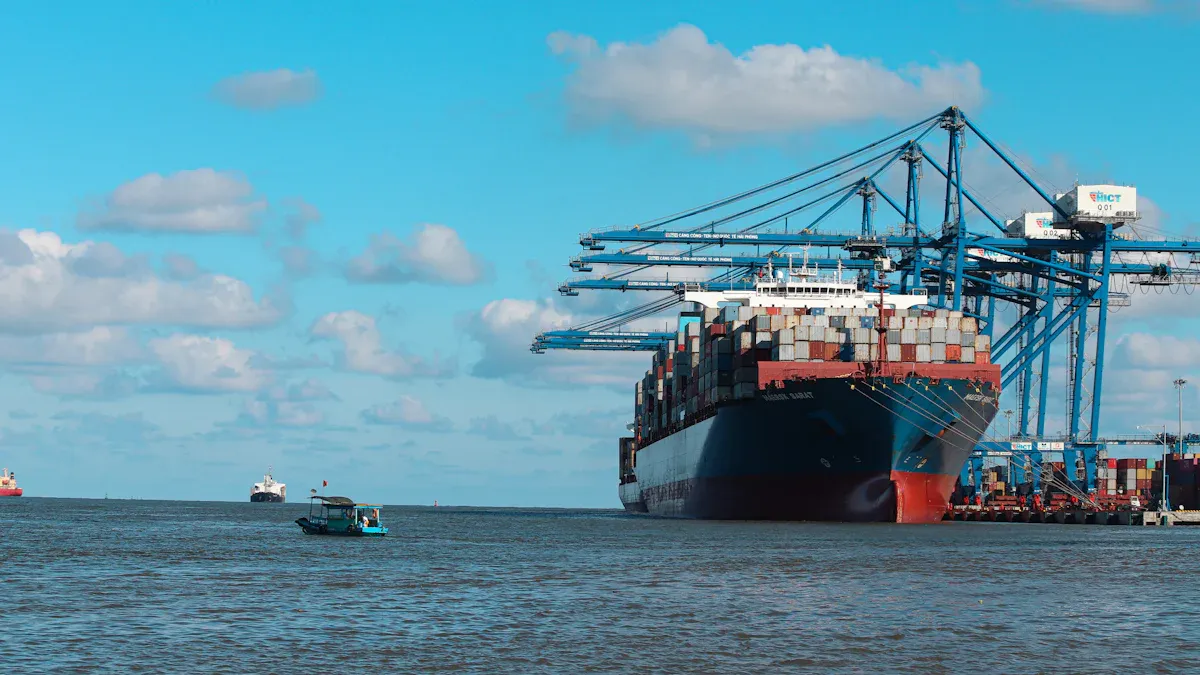
You may feel upset when your shipments are late or held at customs. These issues can harm your business and lead to financial losses.
Wrong shipments can cause businesses to lose a significant amount of money each year.
Preventing these mistakes is essential for improving your shipping operations.
If you want to keep your shipments safe and save money, you need effective logistics risk mitigation. Services like Fishgoo assist you in avoiding common problems, making shipping easier and safer.
Key Takeaways
Always check your shipping documents twice to stop delays. Even small mistakes can cause big trouble at customs. - Pick logistics partners you can trust. Good partners make shipping easier and lower risks. - Keep up with customs regulations. Check for rule changes often to stop fines and shipping problems. - Pick the best freight method for what you need. Each choice has good and bad points that change cost and delivery time. - Use technology to watch your shipments and guess delivery times. This helps you plan well and avoid surprises.
Common Pitfalls in Cross-Border Shipping
Shipping goods to other countries is not easy. There are many problems you might face. Knowing about these problems helps you avoid mistakes. It also helps your shipments move without trouble. Let’s see what issues happen most and how you can fix them.
Documentation and Paperwork Errors
You need to be careful with paperwork for cross-border shipments. Small mistakes in documents can cause big delays. Here are some common paperwork mistakes:
Shipping paperwork inaccuracies
Misclassification in customs entries
Incomplete forms
Incorrect details
Missing support documentation
Errors in trade compliance
You might forget to sign a form or use the wrong code. Sometimes, you may not describe your product well. If you leave out where your product comes from, customs may stop your shipment. These mistakes can cause:
Delays
Shipment retentions
Penalties
Higher fees for storage and transportation
Rejection of the shipment at the border
If your paperwork is wrong or missing, your shipment can get stuck. Even small mistakes can stop your goods at customs until you fix them.
Fishgoo helps you by giving clear steps, English help, and photos of your goods. You can check your documents before shipping. This lowers the chance of making mistakes.
Customs Compliance Mistakes
Customs compliance is very important in shipping. Many people make mistakes and get fines or lose their shipments. The most common mistakes are:
Incorrect goods classification
Miscalculating valuations
Not knowing your trade partners
Not having complete, auditable records
If you give the wrong value or country of origin, you can get in trouble. Customs compliance mistakes can lead to:
Type of Penalty | Description |
|---|---|
Civil Penalties | Minimum fine of $1 million per violation and potential debarment. |
Criminal Penalties | Minimum fine of $1 million per violation, up to 20 years imprisonment, or both. |
Not following customs rules can mean your shipment is taken away. You could also have legal problems. Fishgoo’s platform helps you follow customs rules and avoid these mistakes.
Product Classification and Valuation Issues
You must classify your products right and give the correct value. If you use the wrong code or value, customs may stop your shipment. Common mistakes are:
Using incorrect commodity codes on invoices
Vague product descriptions
Wrong customs valuation methodology
Missing or incomplete origin declarations
Misuse of incoterms
These mistakes can mean extra duties, fines, or even legal trouble. Fishgoo checks your product details and helps you get your paperwork right. This helps you avoid customs delays.
Choosing the Wrong Freight Method
Picking the right freight method is important for shipping. Each way has good and bad points:
Air Freight: Fastest but costs the most. Good for urgent or expensive goods.
Truckline: Not too fast or slow. Good for medium-sized goods, especially in Europe.
Sea Freight: Slowest but cheapest for big, non-urgent shipments.
Mixing Sea Freight with Truck Delivery: Saves money and works well for large shipments.
If you pick the wrong way, you might pay more or wait longer. Fishgoo gives you many shipping choices. You can choose the best one for your needs.
Unreliable Logistics Partners
Your logistics partner is very important for shipping success. Bad partners can lose your shipments, cause delays, and cost you more money. Here is what to look for in a good partner:
Description | |
|---|---|
Reputation | Track record and customer satisfaction |
Experience | Industry-specific knowledge |
Financial Stability | Revenue growth and cash flow |
Technology | Advanced systems for tracking and communication |
Customer Service | Effective and responsive support |
Safety | Adherence to safety standards and compliance records |
If your partner does not have experience or good communication, you may have problems. Delays can make storage cost more and hurt your business. Fishgoo works with trusted partners and gives real-time tracking. You always know where your shipment is.
Underestimating Transit Times
Many businesses think shipping will be faster than it is. Delays can mess up your supply chain and cost more money. Here are some effects:
Consequence | Impact on Supply Chain |
|---|---|
Delays in product deliveries | Increased costs and disrupted production processes |
Inventory management issues | Challenges in maintaining optimal stock levels |
Negative economic effects | Reduced competitiveness and hindered economic growth |
AI and machine learning can help guess delivery times better. These tools look at distance, routes, customs, and even weather.
Fishgoo gives you delivery time estimates and tracking tools. This helps you plan and avoid surprises.
Language and Cultural Barriers
Language and culture differences can cause problems in shipping. Misunderstandings can lead to mistakes, arguments, and lost trust. Common problems are:
Language barriers and cultural differences
Lack of clear and precise communication
Difficulty understanding local business practices
Language barriers in world trade are more than just words. They include sayings, culture, and body language that can change meaning. These barriers can make things harder and cost more, like hidden taxes.
Fishgoo helps by giving full English support and clear messages. You do not need to read Chinese or know local customs. This makes shipping across borders easier and safer for you.
If you know about these common problems and use a good partner like Fishgoo, you can avoid mistakes and keep your shipments moving.
Real-World Pitfalls: Cross-Border Shipping Case Studies
When you ship goods to other countries, problems can happen. These stories show how mistakes can cause delays, fines, and lost money. If you learn from these cases, you can avoid the same trouble.
Delays from Documentation Errors
You might think a small paperwork mistake is not a big deal. But in cross-border shipping, even one missing signature or wrong code can cause long waits. For example, a buyer forgot to write the product’s country of origin on a customs form. Customs stopped the shipment for weeks. The buyer had to pay extra storage fees and missed an important sales date. These mistakes often happen when people rush or do not check their forms. You can stop these delays by checking every document before you ship. Fishgoo helps you find errors early with quality checks and English help.
Fines Due to Customs Missteps
Customs rules are strict. If you make a mistake with product value or classification, you can get a big fine. One buyer gave the wrong value for their goods. Customs found out and gave them a large penalty. In another case, a seller did not check export rules and shipped to a banned country. They got a fine and their shipment was blocked. These mistakes can hurt your business and your name. Always check the newest rules and use a trusted partner to help you with cross-border shipping.
Losses from Poor Partner Selection
Picking the wrong shipping partner can cost you a lot. Some partners do not know enough about cross-border shipping. They may not understand language or culture differences, which can cause confusion. For example, a buyer missed a contract deadline because the partner did not explain the terms well. In another case, a buyer lost money when a bad escrow agent handled payment wrong. Here is a table with some common cross-border problems:
Pitfall | Example Scenario |
|---|---|
Ignoring cultural and language barriers | Missed contract signing due to misunderstanding |
Neglecting insurance and risk management | Insurance did not cover operations in the buyer’s region |
Disputes over payment terms and escrow | Lost funds with an unvetted escrow agent |
Failing to address operational restrictions | Vessel ineligible for registration due to age |
You can avoid these shipping problems by working with trusted partners like Fishgoo. They give clear communication, insurance choices, and help at every step of the shipping process.
Tip: Always check your paperwork, keep up with customs rules, and pick partners who know cross-border shipping. This helps you avoid delays, fines, and losing money.
Logistics Risk Mitigation Strategies
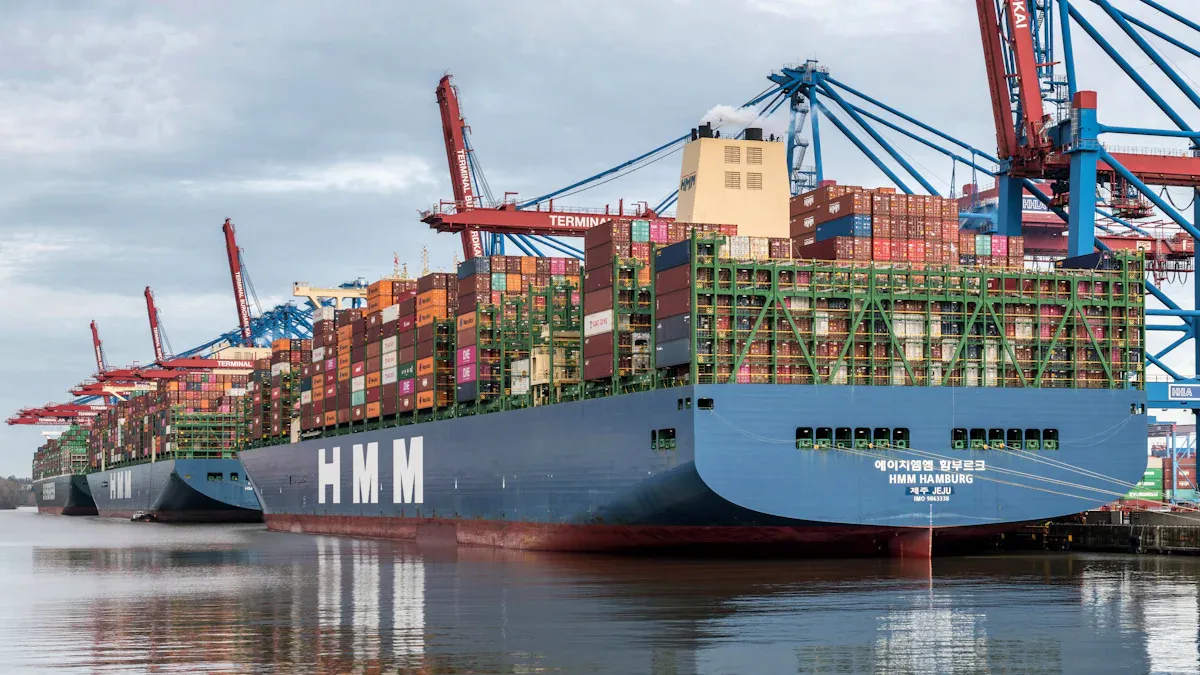
Shipping goods to other countries can be risky. You can lower these risks by using smart steps. Let’s see how you can make shipping safer and better.
Early Customs Broker Setup
Getting a customs broker early helps you avoid waiting. Here are some things you can do:
Build warehouses close to borders for faster shipping.
Use bonded or certified carriers to save money.
Pick the best shipping way for your products.
A customs broker explains tariffs and rules. You can talk with suppliers to make sure you know what you are shipping. Good customs brokers help you clear customs and follow the rules. Taking action early and working with good partners makes shipping easier.
Customs clearance is faster.
Shipments do not get delayed.
You keep up with new rules.
Standardized Documentation Processes
Making your paperwork the same every time helps a lot. You can use digital forms to save time and money. Electronic documents have fewer mistakes and help you follow the rules. Digital tools let you see your shipments in real time. You can fix problems fast and stop fraud.
Less printing and storage saves money.
Fewer errors mean quicker deliveries.
Platforms like Fishgoo help you check your documents and see QC photos. You can look over everything before you ship.
Leveraging Technology and Automation
Technology makes shipping safer. Predictive analytics uses data to find problems early. IoT sensors and AI help you track your shipments and avoid delays. Automation means less manual work and more accuracy.
Benefit | Impact |
|---|---|
Less Manual Work | Workers can do more important jobs |
More Accurate Tasks | Sorting and packing are done better |
Predictive Maintenance | Machines break less, so less downtime |
Big data helps you plan your stock and deliveries. Blockchain keeps your records safe and easy to check. Real-time tracking lets you always know where your goods are.
Building Reliable Partnerships
You need good partners for shipping across borders. Reliable logistics partners give you:
Feature | Description |
|---|---|
Big Network | Global links for smooth shipping |
Good Technology | Advanced tracking and management tools |
Helpful Customer Service | Fast help and clear answers |
Strong Finances | No problems from money issues |
Compliance and Certifications | They follow all the rules |
Good Prices | Fair costs and good value |
Fishgoo works with trusted partners and gives you insurance, packaging, and support. You can ship without worry.
Staying Updated on Regulations
Rules for shipping change a lot. You should:
Use industry news to learn about new rules.
Get updates from trusted sources.
Work with partners who know the latest rules.
Teach your team to follow new rules.
Watching customs rules and security steps helps you avoid fines. Changing your shipping plan keeps your goods moving.
Tip: Ship your goods together and use expert help for easier shipping. Fishgoo gives you extra services like QC photos, insurance, and packaging to help you lower risks.
Best Practices for Cross-Border Logistics
Communication and Transparency
Good communication is very important in cross-border logistics. Shipping goods to other countries can be hard. You may have trouble with language or not get clear updates. One way to fix this is to have one main contact person. This person shares news and answers questions fast. Your team should get the information they need. This helps them make smart choices and stops border problems.
Tip: Try using tracking tools and IoT devices. These tools show where your shipment is right now and help you find problems early.
Here is a table with top ways to keep communication clear and open:
Practice | Description |
|---|---|
Streamlined Communication | Helps shippers, brokers, and carriers work together. |
Transparency | Gives clear updates so people do not get confused. |
Technology Integration | Uses tracking and sensors to see shipments better. |
Proactive Communication | Sends updates early to stop shipment delays. |
Multichannel Communication | Uses email, phone, and apps to keep everyone updated. |
Building Relationships | Works closely with partners to fix problems quickly. |
If you use these steps, you lower the chance of border delays. Your cross-border shipping will go more smoothly.
Regular Compliance Audits
Shipping rules for other countries change a lot. You need to check your process to follow the rules. Doing regular audits helps you find problems before they cause fines or shipment stops. You should:
Look at your shipping papers and records often.
Teach your team to find rule problems.
Get ready for outside checks to build trust.
These checks help you avoid common problems and keep your shipments safe. They also help you build trust with your trade partners.
Practical Shipping Checklist
A checklist helps you manage shipping to other countries. It makes sure you do not forget any steps. Here are important things to put on your list:
Item | Description |
|---|---|
Packaging Materials | Choose the right size and weight for air or sea shipping. |
Crates or Pallets | Use wood that meets ISPM 15 rules to follow laws. |
Packaging and Labeling | Use recyclable boxes and clear labels with details and instructions. |
Duties, Customs & Incoterms | Get all papers ready, like invoices and certificates. Know your job in trade deals. |
Note: Always check your paperwork before you ship. This step helps you avoid expensive mistakes in cross-border shipping.
If you follow these best practices, shipping to other countries will be easier and safer. Your business can grow in cross-border trade.
Avoiding Common Pitfalls: Actionable Checklist
Pre-Shipment Review
You should check your shipment before it leaves the country. This step helps you stop mistakes and keeps your items safe. Here are some steps to follow:
Make a plan for your inspection. Decide what you will look at and when.
Look at your goods. Count them, check the labels, and see if they work.
Use sampling rules. Pick a few items to check for quality.
Get a report. Look at photos and test results in two days.
Tip: Always check that your product matches your order. Make sure the labels are right. This helps you avoid trouble at customs.
Customs and Compliance Verification
Customs rules can change fast. You need to check all your papers and follow the law. Use this table to help you check:
Compliance Aspect | Description |
|---|---|
Accurate Documentation | Check invoices, packing lists, and certificates of origin. |
Product Classification | Use the right codes for duties and rules. |
Regulatory Change Management | Watch for new rules and updates. |
Customs Clearance Process | Prepare entry papers and pay duties. |
Duty Payment Mechanisms | Know how to pay duties in each country. |
Customs Examinations | Get ready for possible inspections. |
Import/Export Licenses | Secure permits for special products. |
Certificates of Origin | Claim duty benefits if possible. |
Bills of Lading/Air Waybills | Use these as proof of shipment. |
Partner and Route Assessment
Picking the right partner and route is very important. You can stop mistakes by checking these things:
Choose the best way to move your cargo.
Make sure your carrier has experience and the right papers.
Plan for possible delays at the border.
Use tracking technology to watch your shipment.
Talk clearly with everyone involved.
Check your shipping process often.
Note: Good partners and smart routes help you avoid delays. They keep your goods moving.
Risk Management Steps
You need to manage risks when shipping across borders. Start by looking for weather or political problems. Get insurance for expensive shipments. Make sure your documents are correct. Teach your team to spot mistakes. Check your process often and make it better.
Tip: Platforms like Fishgoo help with inspection, insurance, and tracking. This lowers your risk and makes shipping safer.
There are many risks when you ship goods to other countries. You can make mistakes with paperwork or pick a bad partner. These problems can cause delays and cost you money. If you plan ahead, you can stop these problems. Use checklists and work with partners you trust. This will help your shipments go smoothly. Platforms like Fishgoo make shipping easier and safer. Look at how you ship things now. Try these tips to keep your business safe and deliver your goods on time.
FAQ
How do you track your shipment with Fishgoo?
First, log in to your Fishgoo account. Next, go to "My Parcel" and find your tracking number. You can use 17track to see where your package is. Fishgoo also lets you track your shipment in real time for most routes.
What documents do you need for international shipping?
You need invoices, packing lists, and certificates of origin. Fishgoo helps you check these papers before you ship. Always look over your paperwork so you do not have delays.
Can you combine multiple orders into one shipment?
Yes, Fishgoo lets you put many orders together for free. Pick the items in your warehouse and send them as one parcel. This saves you money and makes shipping simpler.
What value-added services does Fishgoo provide?
Fishgoo gives you extra choices like stronger packaging, vacuum packing, shockproof and waterproof options, and insurance. You can pick these when you send your parcel. These choices help keep your goods safe while they travel.
See Also
Enhancing Your International E-Commerce Logistics For Success
Top Shipping Options From China To Spain: Costs And Tips
Five Compelling Reasons To Select Fishgoo For Shopping
Weidian Insights: Direct Purchases From China - Pros And Cons
Simplifying Your Overseas Chinese E-Commerce Shopping Experience