Implementing a Zero-Defect Quality Control Process

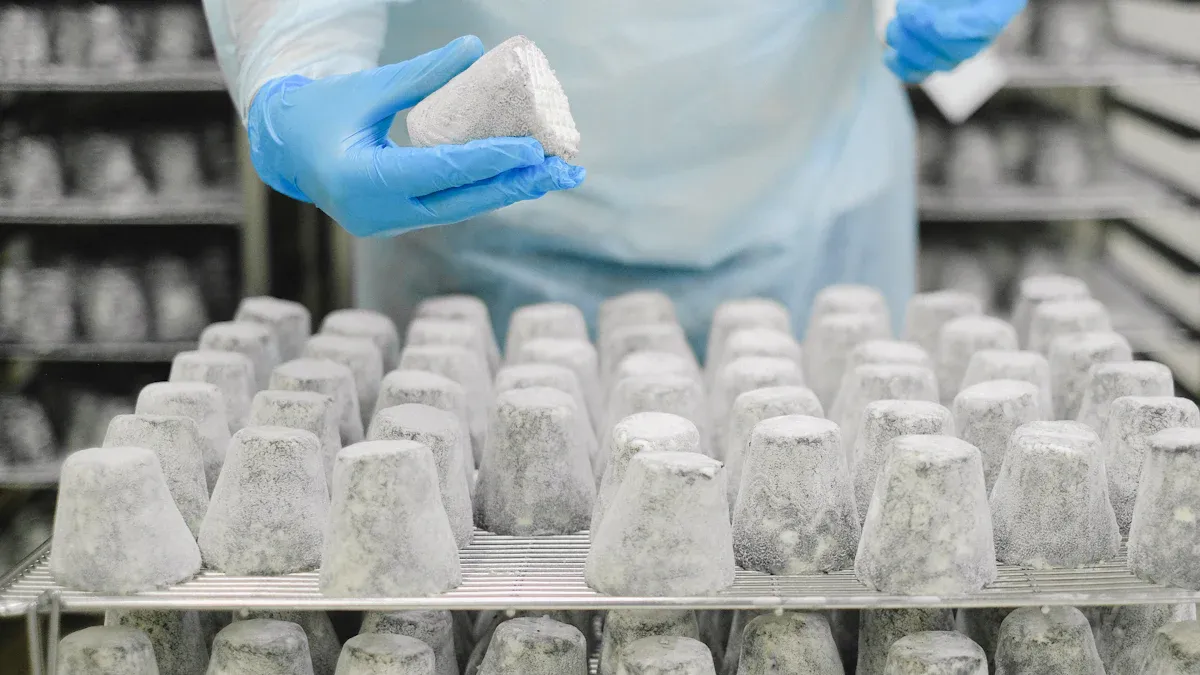
Implementing a zero-defect quality control process means you need strong quality systems. You also need employees who care about their work. Everyone must focus on getting better. Zero-defect quality control tries to make products with no mistakes. This is very important for winning in global and cross-border markets. You can see how helpful it is in these numbers:
Statistic Description | Value |
|---|---|
Percentage of manufacturers reporting improved quality | |
Reduction in defect rates with real-time monitoring | Up to 50% |
Reduction in manufacturing errors with AI-driven control | 25-40% |
You will face problems like communication barriers. You may also have delivery delays. Platforms like Fishgoo help by using professional quality inspection. They also help with logistics. These steps help you keep quality and reliability for your customers.
Key Takeaways
Zero-defect quality control tries to make products perfect. It helps lower mistakes and makes things better.
Good leaders and a focus on quality are very important. Everyone in the company should care about quality.
Use technology like real-time monitoring and automation to find problems early. This helps make work easier and faster.
Training and learning all the time help workers get better skills. This helps keep quality high and stops mistakes.
Getting zero defects can save a lot of money. It makes customers happier and helps the company compete.
Zero-Defect Quality Control
Definition
Zero-defect quality control means you try to stop all mistakes. You want your products, services, and processes to be perfect. You do not think errors are okay. You believe every job should be done right the first time. Philip Crosby talked about this idea in his book "Quality is Free." Many groups that work with quality agree with this idea. Zero-defect quality control helps you set high goals. It makes sure your work always meets those goals.
Some people think zero-defect quality control is only for factories. But it can help in many places. You can use it in service, software, and logistics too. The main goal is to always give the best quality.
Here is a table that shows how zero-defect quality control is different from traditional ways:
Aspect | Traditional Quality Control | Zero-Defect Quality Control |
|---|---|---|
Timing | End of production | Throughout production |
Focus | Detecting defects | Preventing defects |
Approach | Reactive | Proactive |
Quality Assurance | Inspects finished products | Continuous monitoring and improvement |
Cost Efficiency | Higher costs due to waste | Lower costs by reducing defects |
Product Quality | May miss early defects | Early detection and correction |
Core Principles
You need to follow some important ideas to make zero-defect quality control work. These ideas help you do better and reach your goals:
Quality must be the most important part of your work. Good quality management gives you strong steps to follow.
Set your quality standards before you start. If you wait until after, fixing mistakes can cost more.
See quality as a way to help your money results. You can count waste, how much you make, and profits with money.
Always try for zero defects. Even if perfect is hard, you get better by trying.
Many people think zero-defect quality control is just a method or only for making things. But you can use it anywhere. Everyone on your team should care about quality, not just one group. You build a team that wants to get better and follows clear rules.
Zero Defects Philosophy
Mindset and Culture
If you want your organization to do well, you need to follow the zero defects philosophy. This way of thinking changes how you and your team see mistakes. You do not think errors are okay. Every defect is a chance to get better. When you use the zero defects philosophy, everyone helps with quality. You ask your team to stop problems before they start. You show them that defects should not happen.
You ask everyone to keep improving and stop defects.
You teach your team that mistakes are not okay.
You help people feel responsible for quality work.
You use quality steps in all parts of your company.
You build a zero defect culture by making sure everyone feels in charge of quality. Employees who care will report problems. They join in fixing issues and help the team improve. When you train your team and let them take charge, they find risks early and stop mistakes. You notice that when employees care, quality gets better.
Tip: You can help your team by cheering for small wins in quality. This makes people feel good and keeps them working toward zero defects.
Leadership Commitment
You need strong leaders to make zero defects work. Leaders show how important quality is. When top managers care, Lean and Industry 4.0 projects do better. Leaders help make big changes and explain why zero defects matter. You see that real leaders who keep their promises help Six Sigma and support zero defect culture.
Leaders know how the company works and what people want.
Real leadership and honesty are needed for success.
Leaders who care help the company work better and find new ideas.
You see that when leaders care, change is easier. Leaders who believe in zero defects help others follow. You build trust and help everyone try for perfect quality.
Zero Defect Manufacturing

Implementation Steps
You can make a strong zero defect manufacturing system by following clear steps. First, leaders must show support and give what is needed. Then, train your team so they know the process and why it matters. Try the new way on a small part first. This helps you find problems early. Draw out your current process and look for weak spots. Plan how to make things better. Use tools like root cause analysis to find problems before they happen. Start the new process in small parts. Watch how things go and change what does not work.
Here is an easy roadmap you can use:
Get leaders to support and plan your strategy.
Teach workers about zero defect manufacturing and new changes.
Test the new process on a small part to fix early problems.
Draw and check your process to find what is not working well.
Look for risks and use root cause analysis to stop problems.
Start the process in steps and watch quality closely.
Doing things the same way each time is important. When you follow the same steps, you make fewer mistakes. This also makes it easier to teach new workers. You can use real-time process monitoring to catch mistakes right away. This helps you fix problems before they get bigger.
Fishgoo shows how these steps work in real life. The platform uses professional quality inspection and real-time process monitoring in its warehouses. Every product follows a careful process from order to delivery. This helps Fishgoo keep high quality for customers in other countries. Their system checks each step, so defects almost never reach the customer.
Tip: Break each process into small steps. This helps you see where mistakes might happen and use strategies to achieve zero defect.
Employee Training
You need a skilled team for zero defect manufacturing. First, find out what skills your team needs. Use a needs assessment to see what is missing. Set clear learning goals for your process. Use different ways to train, like hands-on practice, online lessons, and group work. Make sure everyone knows the quality standards and steps.
Here is a table that shows best ways to train employees:
Best Practice | Description |
|---|---|
Leadership Involvement | Leaders share quality rules and help make training programs. |
Change Management | Check risks before making changes to get good results. |
Training | Find skill gaps and give special training. |
Monitoring | Watch progress and check results to lower mistakes. |
Supplier Management | Teach suppliers to help you reach zero defect manufacturing. |
You should also check if your training works well. Use tests and ask for feedback often. This helps you make the program better over time. When you train your team well, you build a culture of quality. Everyone knows their job and works together for zero defect manufacturing.
Note: Good training does not end after the first class. Keep making your program better as your process changes.
Technology Integration
Modern technology helps you reach zero defect manufacturing faster. Real-time process monitoring tools let you see what happens on the line right away. These systems can find defects fast and tell your team. Automation does the same tasks again and again, which lowers human mistakes. You can use sensors and cameras to check quality at every step.
Here is a table that shows how technology helps zero defect manufacturing:
Technology Type | How It Helps |
|---|---|
Anomaly Detection | Finds defects fast and lets you fix them quickly. |
Efficiency Optimization | Finds slow spots and gives real-time feedback on quality. |
Real-Time Monitoring | Warns you about problems before they get worse. |
IoT and Cyber-Physical Systems | Connects machines and data for better control and checks. |
Augmented Reality (AR) | Helps workers follow steps and keep quality high. |
Fishgoo uses these tools in its supply chain for other countries. The platform connects warehouses, shipping, and inspection teams with digital systems. This lets them watch the process in real time and act fast if a problem comes up. Predictive analytics help stop problems before they start. These strategies to achieve zero defect make the process more reliable for global customers.
Remember: Technology works best when you use it with good process design and skilled people. Use digital tools to help your strategies to achieve zero defect, not to replace good planning.
By following these steps, training your team, and using the right technology, you can build a zero defect manufacturing process that gives high quality every time.
Quality Control Measures

Prevention Strategies
You can stop defects if you use good quality control steps. Start by using statistical process control to watch for changes. Root cause analysis helps you find out why problems happen. Failure Mode and Effects Analysis lets you see risks early. Quality assurance techniques help you fix issues before they get bigger. Continuous improvement methods keep your process strong.
Here is a table of common prevention strategies:
Strategy | Description |
|---|---|
Statistical Process Control (SPC) | Watch and study process changes to keep them within safe limits. |
Root Cause Analysis (RCA) | Find and fix the main reasons for defects. |
Failure Mode and Effects Analysis | Look for possible failures and stop them before they happen. |
Quality Assurance Techniques | Check for problems early and fix them fast. |
Continuous Improvement Methods | Always look for ways to make your process better. |
You can also use ISO 9001 systems and lean principles to make your process work better and stop mistakes.
Continuous Improvement
Continuous improvement means you always try to make things better. You can use PFMEA to find risks and set controls. DMAIC helps you check, measure, and fix your process. Poka-yoke makes it hard to make mistakes. Layered process audits let you check steps every day. Real-time process control helps you fix problems fast.
Here are some ways to use continuous improvement:
Make clear steps and use signs with standard work.
Use closed-loop systems so every job has a person and a due date.
Build quality into your design from the start.
You will get better results if you use these ideas every day.
Measuring Success
You need to check your progress with the right tools. Use process flow charts, FMEA, and control plans to see how your quality steps work. The 8D problem-solving tool helps you fix problems and check results. Quality control software collects and studies data. Machine vision systems and IoT sensors give you real-time checks. AI and machine learning help you spot trends and get better faster.
You may have problems like people not wanting to change or old machines. You can fix these by training your team, getting new tools, and making sure everyone knows the goals. When you use feedback and corrective action systems, you keep your quality high and reach your goals.
Benefits
Cost Savings
You can save a lot of money with zero-defect quality control. Stopping mistakes early means you do not waste time or materials. Many companies have saved a lot after using this process. Here is a table that shows what some companies have done:
Metric | Result |
|---|---|
Annual Cost Savings | |
Reduction in Unplanned Downtime | 60% |
Decrease in Quality-Related Issues | 40% |
When you make fewer mistakes, you have less downtime. You also have fewer problems to fix. This helps you use your resources better and keep costs down.
Customer Satisfaction
If you give customers products with no defects, they notice. They trust your brand and feel happy with what they get. You build a good reputation by always meeting their needs. Happy customers come back and tell others about your business. This loyalty helps your company grow and stand out.
Tip: Ask customers for feedback. When you listen and make changes, you show you care about their experience.
Competitive Edge
Zero-defect quality control gives you a strong place in the global market. Many companies think quality is the most important thing for success. When you reach zero defects, you get ahead of your competitors. Research shows companies using zero-defect manufacturing do better and stay strong. You also get help from new digital tools that improve your process.
Quality is the most important thing for manufacturing companies.
Getting zero defects puts you ahead in the market.
Zero Defect Manufacturing makes production better and uses digital tools for good results.
You can use these benefits to grow your business and lead your industry.
You can make a zero-defect quality control process by taking simple steps. Good leaders are important. Everyone should care about quality. Always try to get better. If you work with other countries, watch your process in real time. Train your team again and again to keep quality high. Here are some important things to do:
Make clear goals for quality.
Teach your team many times.
Use technology to check things right away.
Zero defects is not something you do once. It is a journey. Keep learning and getting better every day.
FAQ
What does zero-defect quality control mean?
Zero-defect quality control means you try to have no mistakes. You want your products or services to be perfect. You set high standards for your work. You try to stop errors before they happen. This helps you give your customers the best results.
How can you start a zero-defect process in your company?
Start by making clear goals for quality. Teach your team the best ways to work. Use tools that watch your process in real time. Check your process often to find problems. Fix any issues right away. Celebrate small wins to keep your team excited.
Why is employee training important for zero-defect manufacturing?
Training helps your team learn the right skills. Workers who know what to do can find problems early. They follow the steps to keep quality high. Training helps everyone care about doing their job well. It builds a team that wants to stop mistakes.
How does Fishgoo help with zero-defect quality control?
Fishgoo checks every order with professional inspection and real-time tools. You get good products because Fishgoo looks at each order before it ships. This stops mistakes from reaching you. It makes shopping from other countries safer and easier.
See Also
FISHGOO's Quality Assurance: Enhancing Your Weidian Shopping Journey
Comprehensive Overview of JD's Purchasing and Forwarding Services
Simplifying Overseas Chinese E-Commerce: Receipts and Consolidation Made Easy
Maximizing Your Cross-Border E-Commerce Logistics for Worldwide Success
The Importance of International Warehousing for Global Business Growth