European Freight Market Update: Air, Sea, and Rail Cost Movements

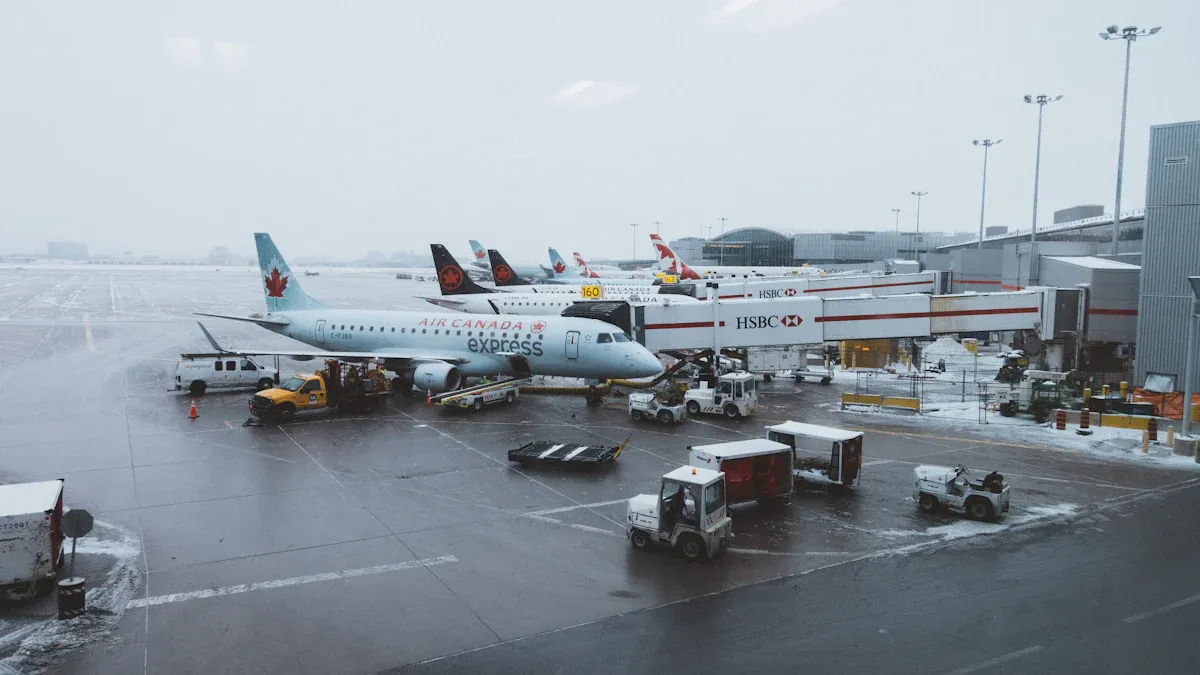
Rail freight rates are now much lower than sea freight rates between China and Europe. Rail costs are 59% less than sea costs. The average rail freight rate is about $3,240 per FEU for most of 2024. The average freight rate from Shanghai to Rotterdam has gone up by 78%. It is now $7,961 because of the conflict in the Red Sea.
In 2024, changes in freight costs have made companies change their plans. Shippers, e-commerce businesses, and cross-border buyers have new problems. They deal with less space and changing prices. This causes higher freight charges and delays. Logistics platforms like Fishgoo help customers with these changes. They give smarter ways to ship goods around the world. A good Freight Forecast helps companies handle cost risks. It also helps them make better choices in a changing market.
Key Takeaways
Rail freight costs much less than sea freight now. It is 59% cheaper. This helps shippers save money in 2024.
Air freight prices are going up. More people are shopping online. Shippers need to watch prices closely. This helps them avoid surprise costs.
Logistics platforms like Fishgoo give helpful tools. These tools let shippers change shipping plans easily. They also show price updates right away. This helps businesses keep up with market changes.
Planning early and putting shipments together saves money. It also makes shipping work better.
Using different shipping routes and carriers lowers risk. It also makes the supply chain stronger.
2024 Freight Forecast and Market Overview
Cost Movements Across Modes
The European freight forecast for 2024 shows big changes in prices for air, sea, and rail. Air freight costs went up because more people buy things online. Airlines charge more money when lots of people ship goods. Sea freight prices jumped, especially on routes with problems in the Red Sea. The average price from Shanghai to Rotterdam is $7,961 now. This is a 78% increase from before. Rail freight prices went down, so rail is cheaper for many shippers. The average rail price is $3,240 per FEU. This is 59% less than sea freight.
The table below shows the average prices for each mode in 2024:
Mode | Average Rate (2024) | Rate Change (%) | Notes |
|---|---|---|---|
Air | Higher | +11% YoY | Driven by e-commerce demand |
Sea | $7,961 (Shanghai-Rotterdam) | +78% | Impacted by Red Sea disruptions |
Rail | $3,240 per FEU | -59% vs. sea | Recovery in China-Europe volume |
Shippers and buyers need to watch price changes to save money. They should pick the best way to ship their goods. The freight forecast helps companies get ready for changes and avoid surprise costs.
Key Influencing Factors
Many things changed freight prices in Europe in 2024:
Geopolitical problems, like attacks in the Red Sea, made shipping harder. Ships do not use the Suez Canal now. This makes prices go up and trips take longer.
More people buy online from places like Shein and Temu. This makes air freight more popular. Airlines raise prices when lots of people ship at once.
Europe’s economy is still weak. Road shipping prices dropped, but sea and air prices stay high because of problems.
Not enough space and changing schedules make prices go up. Shippers pay more to get good service.
Tip: Logistics platforms like Fishgoo help shippers with flexible shipping choices, live price updates, and extra services. These tools help companies deal with price changes and make their supply chains better.
The 2024 freight forecast shows that planning ahead is important. Companies using digital tools can handle problems fast and keep costs low.
Air Freight Cost Trends
2024 Rate Movements
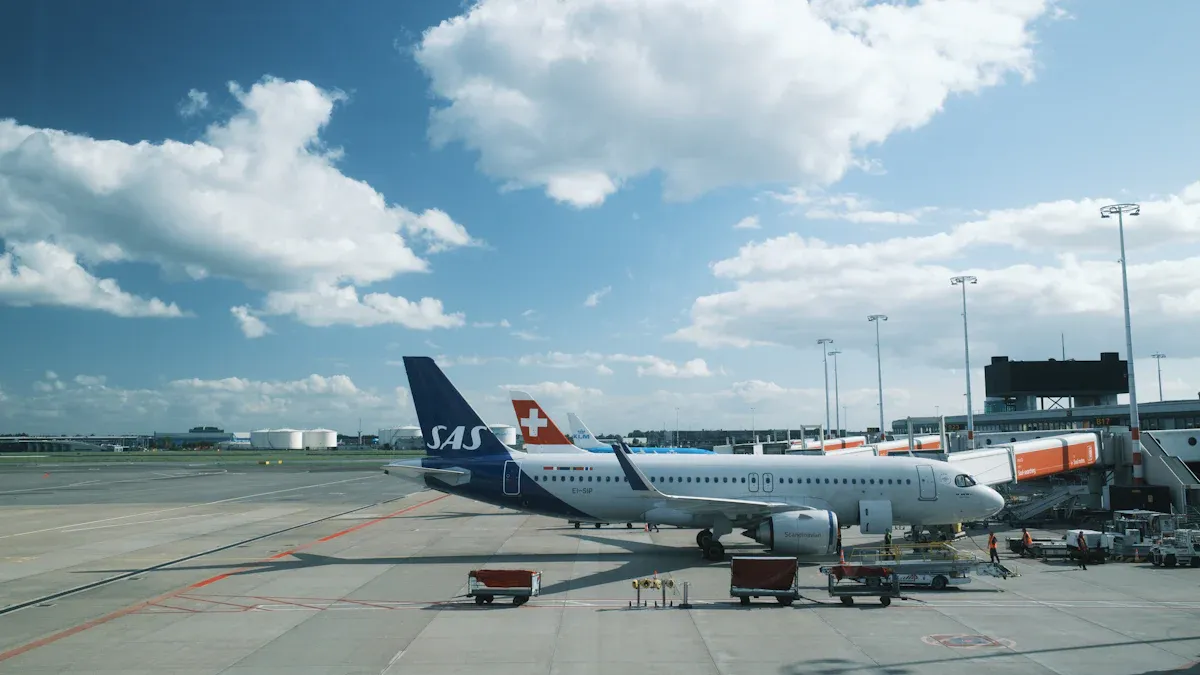
Air freight prices to Europe changed in 2024. European airlines saw air cargo demand go up by 11.2% from last year. There was 7.8% more space for air shipments than before. In December, demand grew by 5.1% and space grew by 3.7% compared to last December. Yields for the whole year fell by 1.6% from 2023, but they are still 39% higher than in 2019. Not enough space for all shipments made prices go up. Spot rates from Northeast Asia to Europe rose by 13% from last month. The dynamic load factor reached 63%, which is the highest in over 30 months. Airlines managed their space well, so the busy season was more controlled.
Note: Air freight prices have stayed above normal since late November 2023. Shippers need to watch these changes to avoid surprise costs.
Drivers of Air Freight Costs
Many things make air freight prices go up in 2024:
More people want to ship by air, up 10% from 2023.
E-commerce growth means faster deliveries, mostly from Asia.
Problems like the Red Sea crisis mess up shipping routes and move more cargo to air.
Airlines change space to match demand, which changes prices.
These reasons make the market tough. Shippers must change fast when the market shifts.
Shipper Strategies for Air Freight
Shippers use different ways to handle air freight costs:
Strategy | Description |
|---|---|
Ocean Freight | Used for regular inventory to save money. |
Used for shipments that need to be fast and planned. | |
Next-Flight-Out Services | Used for emergencies to deliver goods on time. |
Shippers put shipments together to lower costs.
They check many airlines to find the best price and service.
Technology helps find savings and predict shipping costs.
Talking with airlines helps get better deals for regular shipments.
Flexible shipping and extra services, like same-day delivery and eco-friendly packaging, help e-commerce businesses save money. Smart tools like AI and data analytics make logistics better and help save on air freight.
Tip: Platforms like Fishgoo give flexible air shipping and extra services. These help e-commerce businesses meet customer needs and keep costs down.
Sea Freight Cost Trends
2024 Rate Movements
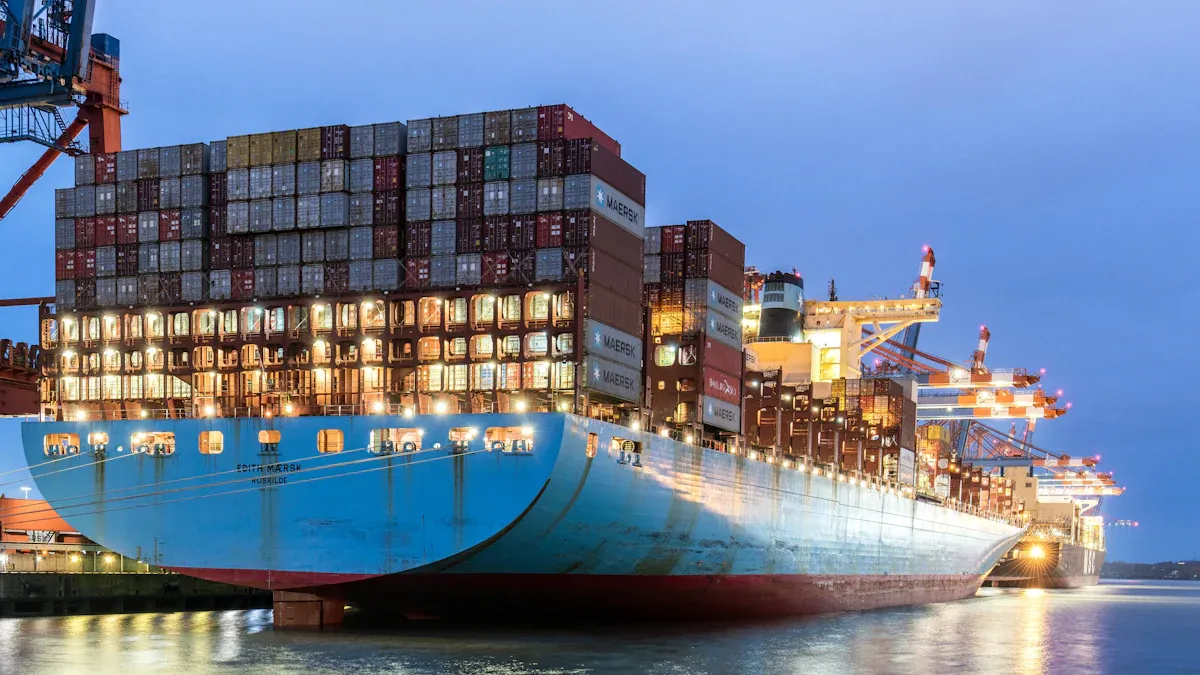
Sea freight prices from Asia to Europe and the Mediterranean went up in 2024. The price is now $5,300 per FEU. This is about the same as before the last Lunar New Year. Shippers book space early to get ready for the holiday. More people want to ship goods, so prices go up on big sea routes. Many companies watch the market to avoid surprise costs.
Factors Impacting Sea Freight
Many things affect sea freight prices in Europe this year. The table below lists the main reasons:
Factor | Description |
|---|---|
Geopolitical Instability | More problems near the Red Sea make ships take longer routes and cost more. |
US Sanctions on Chinese Imports | Trade changes and supply chain problems make shipping prices go up and down. |
Economic Factors | Inflation and new shopping habits change trade and make shipping cost more. |
Busy ports also slow down sea freight. Ships wait longer at crowded ports, which causes delays and extra fees. Many European ports now handle more cargo than last year. Shippers need to plan for longer trips and possible changes in schedules.
Shipper Strategies for Sea Freight
Logistics platforms like Fishgoo help shippers save money on sea freight. They give smart ways to combine and store shipments. Some people save over $120 by putting many items in one shipment. Growing companies save money by combining orders from different suppliers. Fishgoo lets users store goods in its warehouse for up to 100 days for free.
Shippers combine shipments to pay less and avoid sending many packages.
Fishgoo’s warehouse lets buyers wait for better shipping prices before sending goods.
Flexible shipping choices help companies pick between speed and cost.
Picking the right port is important too. Using less busy ports can make deliveries faster and cheaper. Fishgoo’s platform gives users many sea routes and port options. This helps shippers make their supply chain better and control costs.
Tip: Companies should check port conditions and sea freight prices often. Using online tools and combining shipments can make shipping easier and cheaper.
2024 Trends in Rail Freight
Rail Cost Movements
Rail freight between China and Europe is doing better in 2024. The average rail shipment cost is $3,240 per FEU. This is much cheaper than sea freight. Rail is a good choice for many shippers now. The price gap between rail and sea is bigger this year. Rail costs 59% less than sea routes. Many companies pick rail to skip delays and high sea prices. In 2024, more businesses trust rail for steady prices and on-time schedules.
Rail Market Drivers
Many things help the rail market grow this year. These reasons change how companies use rail for shipping:
More factories make more goods, so rail demand goes up.
Trade is growing, so people need better rail routes.
Stricter rules for the environment make rail more popular. Rail makes less pollution.
New terminals and better tracks help rail carry more goods.
New technology makes rail faster and safer.
More global trade and new deals open extra rail paths.
Rail keeps getting more business as these reasons make it a top choice for cross-border shipping.
Rail Freight Planning for Shippers
Shippers use different ways to get the best from rail freight in 2024:
AI helps plan rail routes, save fuel, and give updates fast.
Using the right size boxes lowers shipping costs and helps the planet.
Green shipping uses better materials and methods. This brings in buyers who care about the earth.
Many shippers also use rail with sea or road to make shipping flexible and cheap. Logistics platforms help track rail shipments and handle paperwork. They also help pick the best routes. With smart planning, shippers can save money and get faster deliveries.
Mode Comparison and Selection
Cost-Efficiency: Air vs. Sea vs. Rail
Shippers have to pick how to move goods to Europe. Each way to ship has its own good points. The table below shows how air, sea, and rail freight compare for cost, speed, and reliability in 2024:
Mode | Cost | Speed | Capacity | Flexibility | Environmental Impact | Ideal For |
|---|---|---|---|---|---|---|
Ocean Freight | Low | Slow | Highest | Moderate | Low | Bulk, heavy, non-urgent cargo |
Air Freight | Very High | Fastest | Low | Moderate | Highest | Urgent, high-value, perishable |
Rail Freight | Moderate | Moderate | High | Low-Moderate | Low | Bulk, long-distance, inland |
Sea freight is the cheapest for big shipments. It can carry the most but is slow. Air freight is the fastest way to send goods. It is good for things that need to get there fast or are worth a lot. But air freight costs a lot more than sea or rail. Rail freight is in the middle. It is not as fast as air but not as slow as sea. Rail costs less than air and is faster than sea. Many shippers use rail now to skip high sea prices and long waits.
Choosing the Right Mode
Picking the best way to ship depends on many things. Shippers need to think about speed, cost, what they are shipping, and if it will get there on time. More people shop online, so some need fast shipping and pick air. Others use sea for big loads or when time does not matter. Rail is good for people who want something between sea and air.
Platforms like Fishgoo help shippers pick the best way. Fishgoo uses tech and data to show shipping times and costs. The platform helps match shipping plans to what a business needs. It has special packaging for breakable goods and lets shippers mix shipping types. Fishgoo works with many carriers to make service and delivery faster. Users can reach more places by sea, air, or rail with Fishgoo’s network.
Tip: Shippers should check what they need for every shipment. With Fishgoo’s tools, they can look at sea, air, and rail to find the best way for cost, speed, and if it will get there on time.
Actionable Tips for Managing Freight Costs
Planning and Budgeting
Shippers can save money by planning early and using smart tools. They should check costs with shipping calculators before booking. Putting small orders together into one big shipment lowers costs. This fills up trucks or containers and saves fuel. Value-added services like strong packaging or insurance protect goods. These services help avoid extra charges from damage or loss. Fishgoo lets businesses pay with PayPal, Visa, MasterCard, or Alipay. These payment choices help companies manage money and pay safely.
Tip: Shippers who use consolidation and value-added services often save a lot on freight bills.
Route Diversification and Risk Management
Using different shipping routes and carriers lowers risk. Companies should not depend on just one partner or path. They can check for weak spots in their supply chain with risk assessments. Using many suppliers and routes helps when problems happen. Technology like real-time tracking and IoT shows where shipments are. Fishgoo gives parcel tracking and insurance to help users watch packages and keep them safe. Keeping extra inventory and having backup plans helps companies during delays.
Check for risks at every step of shipping.
Use many suppliers and routes to avoid problems.
Use technology to track shipments and spot issues early.
Keep extra stock to handle delays.
Rate Monitoring and Negotiation
Watching freight rates helps shippers avoid paying too much. They should compare rates with indexes and management systems. This helps them spot high prices and pick the best deal. Shippers can use both fixed and floating rates for more choices. It is easier to talk with carriers when companies know what changes rates. Things like supply, demand, fuel costs, and competition affect prices.
Factor Type | Factors Affecting Rates |
|---|---|
Supply Side | Availability of trucks, ships, planes; fuel costs; labor supply and costs |
Demand Side | Volume of freight; type of freight; shipment distance; extra fees |
Other Influences | Overhead costs; insurance; regulations; market competition |
Monitoring Tools | Transportation management systems; rate benchmarking tools |
Note: Fishgoo’s platform gives live rate updates, parcel tracking, and insurance. These tools help shippers stay informed and get better deals.
In 2024, European freight costs change a lot for air, sea, and rail. Shippers and buyers do better when they plan ahead and use smart tools like Fishgoo. They should use different ways to move goods and try new technology. It helps to work with more carriers. Companies need to watch the market and change their plans to keep up. Good teamwork with shipping partners and having more delivery choices help lower risks and make customers happier.
FAQ
How can shippers track their international shipments with Fishgoo?
Fishgoo lets users track parcels in real time. You log in and click "My Parcel" to see updates. You can also use tracking numbers on other tracking sites.
What value-added services does Fishgoo offer for freight shipments?
Fishgoo gives reinforced packaging and vacuum packing. They offer shockproof and waterproof choices. Insurance is also available. These services keep goods safe and lower shipping risks.
How does Fishgoo help lower shipping costs for cross-border buyers?
Fishgoo lets buyers use free consolidation. Buyers put many orders in one parcel to save money. The platform has shipping calculators and coupons to help save more.
Which payment methods does Fishgoo accept for international orders?
Fishgoo takes PayPal, Visa, MasterCard, and Alipay. Many local payment choices are also accepted. This makes paying safe and easy for buyers.
Can shippers store goods at Fishgoo’s warehouse before shipping?
Fishgoo gives up to 100 days of free storage in its warehouse. Shippers can wait for better rates or add more items before sending parcels.
See Also
Top Shipping Paths From China To Spain: Expenses And Tips
Comprehending FISHGOO Shipping Expenses: Fee Analysis And Savings Tips
Key Global Shipping Solutions For Newcomers In 2025
Ways To Enhance Your International E-Commerce Logistics For Success
E-Commerce From China: Guides, Platforms, And Shipping Choices In 2025